Foraging is a practice of deep attentiveness – to landscape, season, and community. Before you gather, ground yourself in these principles. They exist to protect and ensure that foraging remains possible for every generation that follows.
Golden Rules of Ethical Foraging
Forage from the understanding that we are not separate from the land we forage from. Our health and the health of the land are the same health.
We take with the intention that our foraging supports the land, our own being and the relationship between the two simultaneously. This is almost always possible.
- Harvest gently and with care – use clean cuts, don't tear.
- Never take the first or the last of a patch.
- Scan the population before harvesting, and err on the side of generosity toward the plant.
- Know the plant completely before eating it. Positive identification is non-negotiable – if in doubt, leave it out.
- Remove no rare or protected species. Consult local lists before foraging in a new area.
- Step lightly and stay on established paths where possible. Soil compaction and trampling can be more damaging than picking.
- Forage only where permitted. Many parks, reserves, and beaches prohibit collection – check regulations locally.
- Consider environmental pollutants. A plant may be safe in a healthy environment, but chemical weed sprays, heavy metals in waterways, and animal waste in the surrounding area can all be on or absorbed into a plant.
- Involve all of your senses, safely. Some edible plants are easy to confuse by sight alone but are obviously distinct by touch or smell.
- Pack out everything you bring in. Leave the site better than you found it.
Bring mindfulness and gentleness to every harvest. We are in a continuous, reciprocal relationship with place. We forage for collective wellbeing, ours and the land's, by doing so the line we imagine between the two will, perhaps some day, disappear.
Species Directory
Identification notes, lookalikes, foraging guidance, and a recipes.
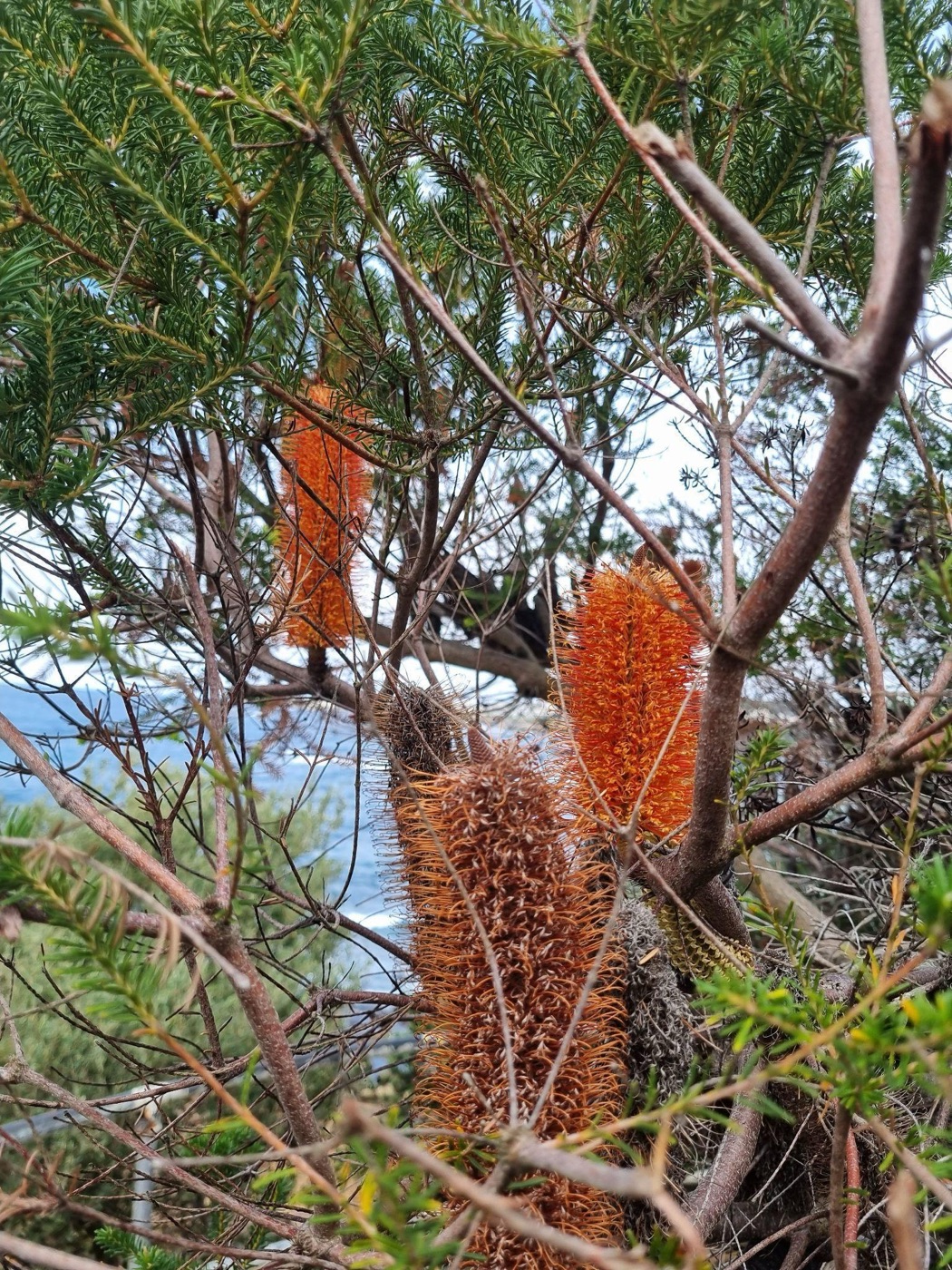
Banksia
Banksia spp.
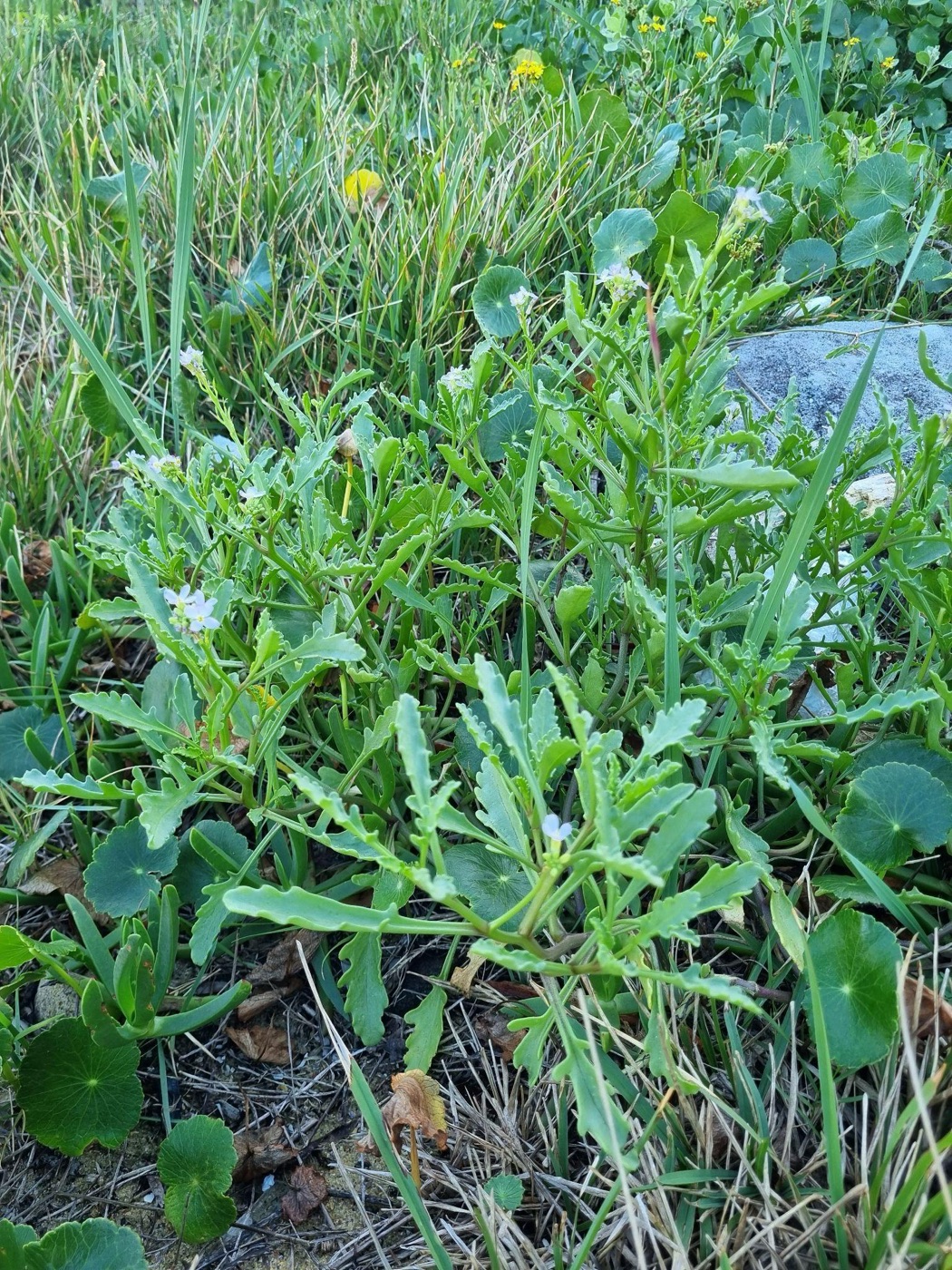
Beach Mustard / Sea Rocket
Cakile edentula, C. maritima
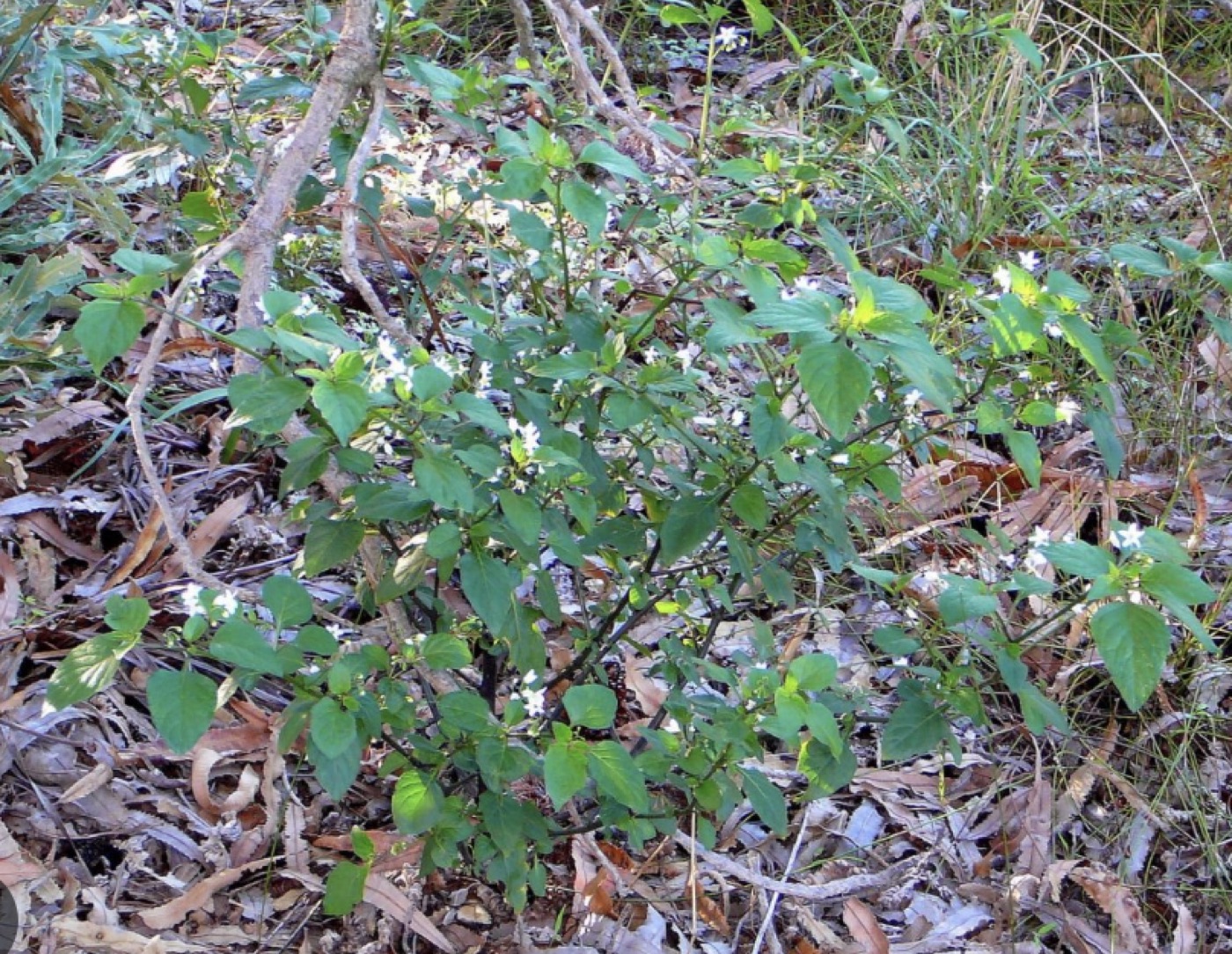
Blackberry Nightshade
Solanum nigrum agg.
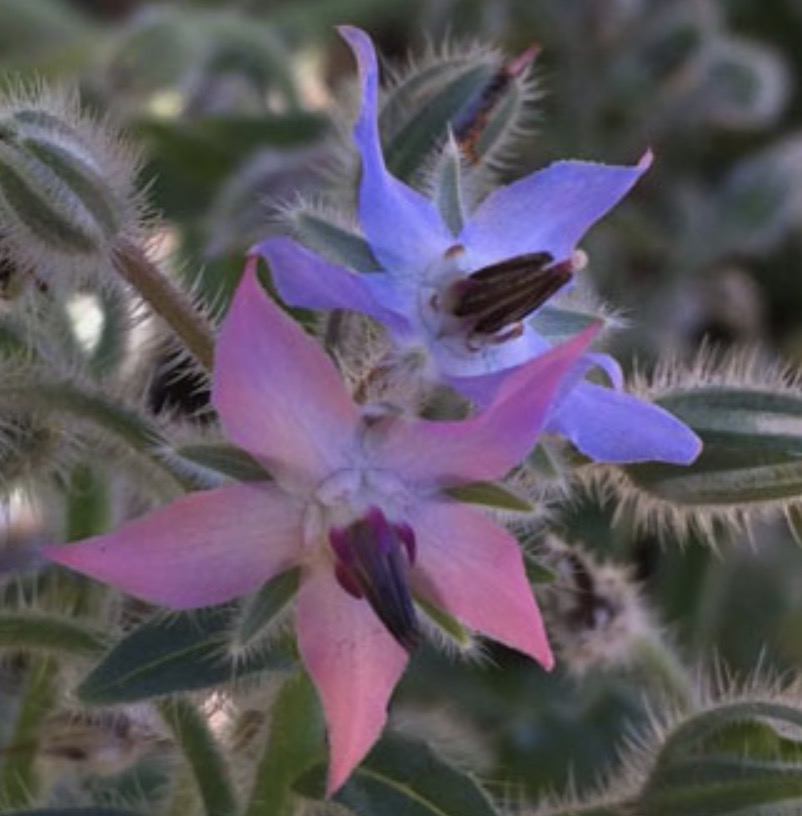
Borage
Borago officinalis
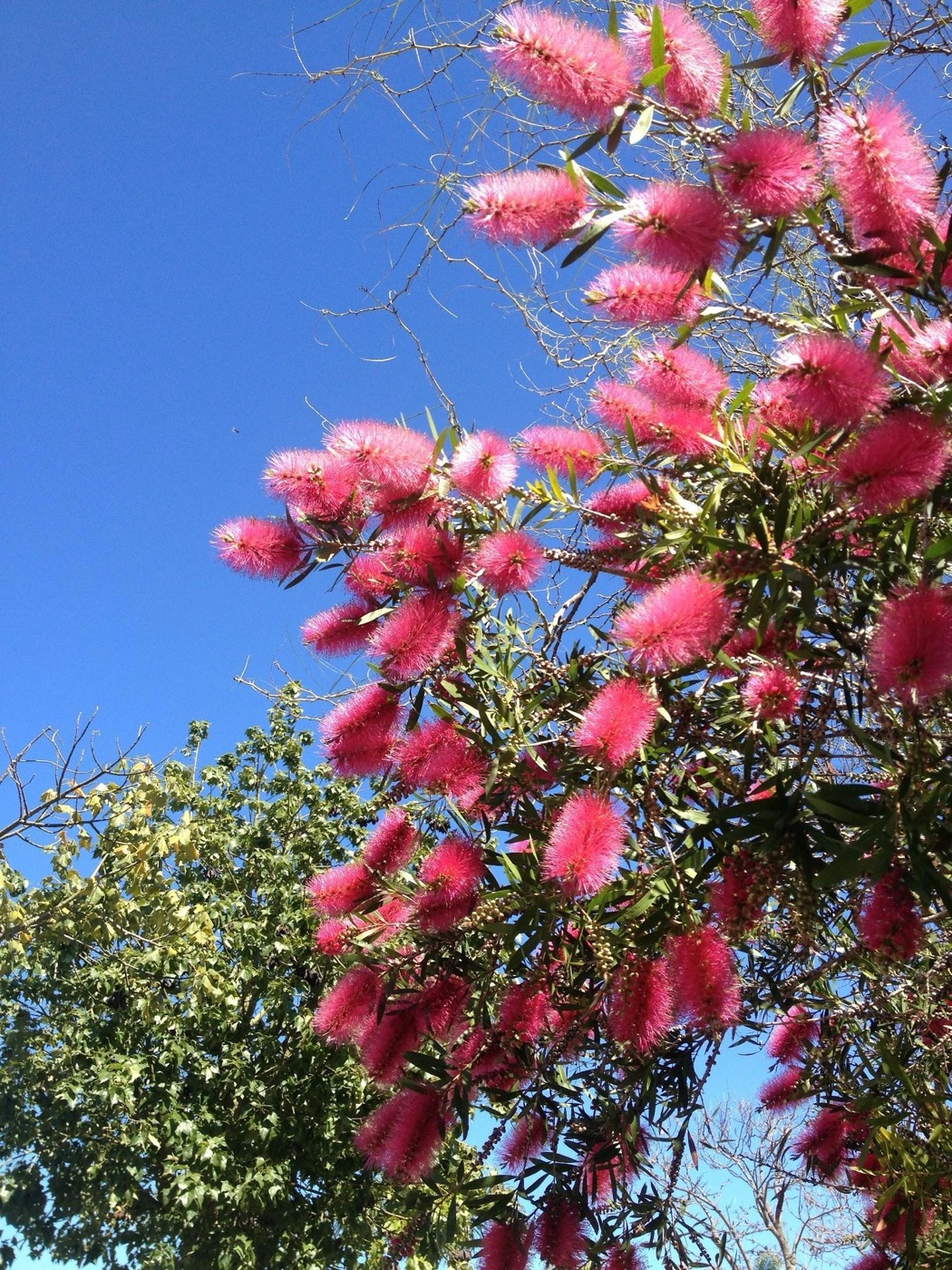
Bottlebrush
Callistemon spp. / Melaleuca spp.
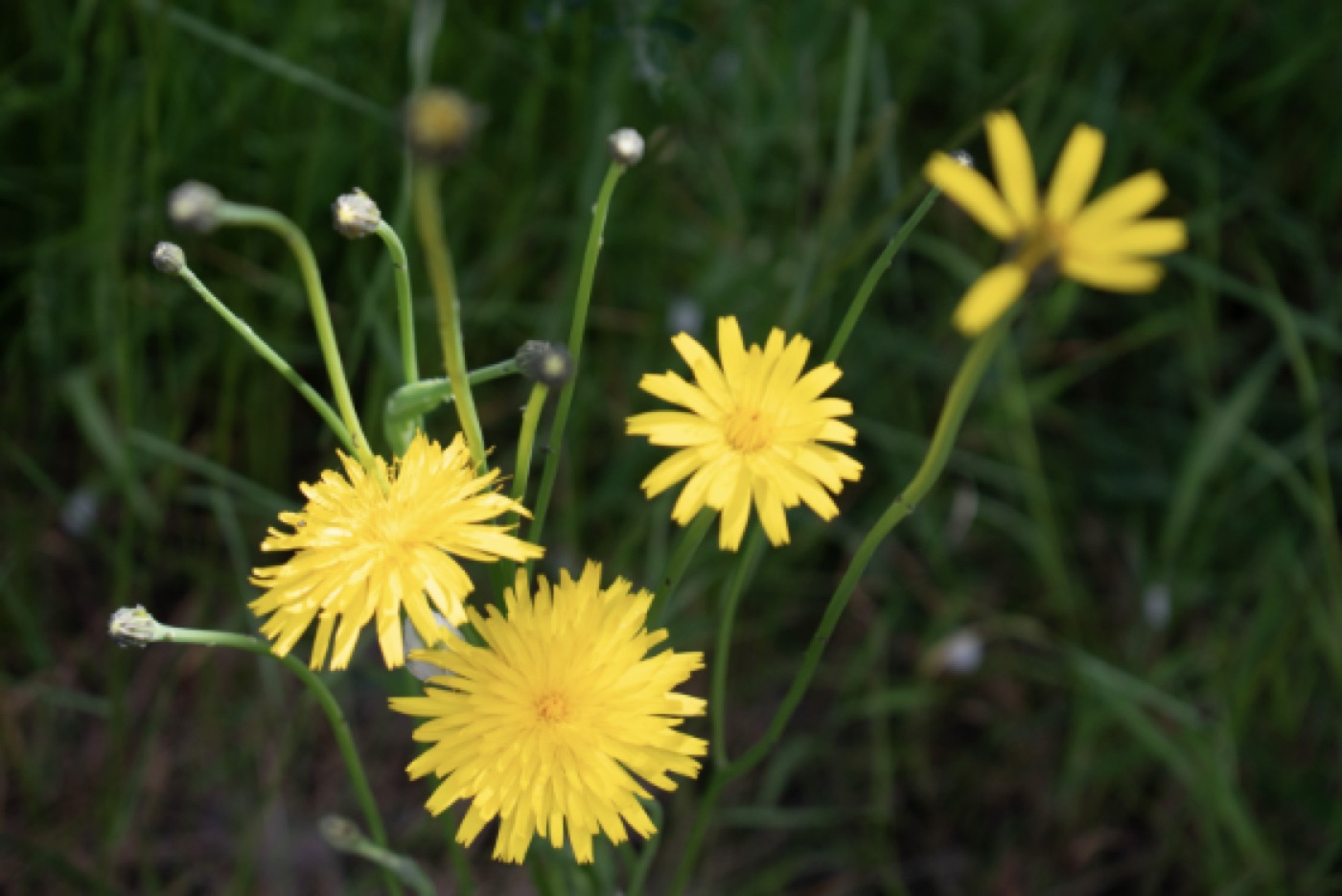
Cat's Ear / False Dandelion
Hypochaeris radicata
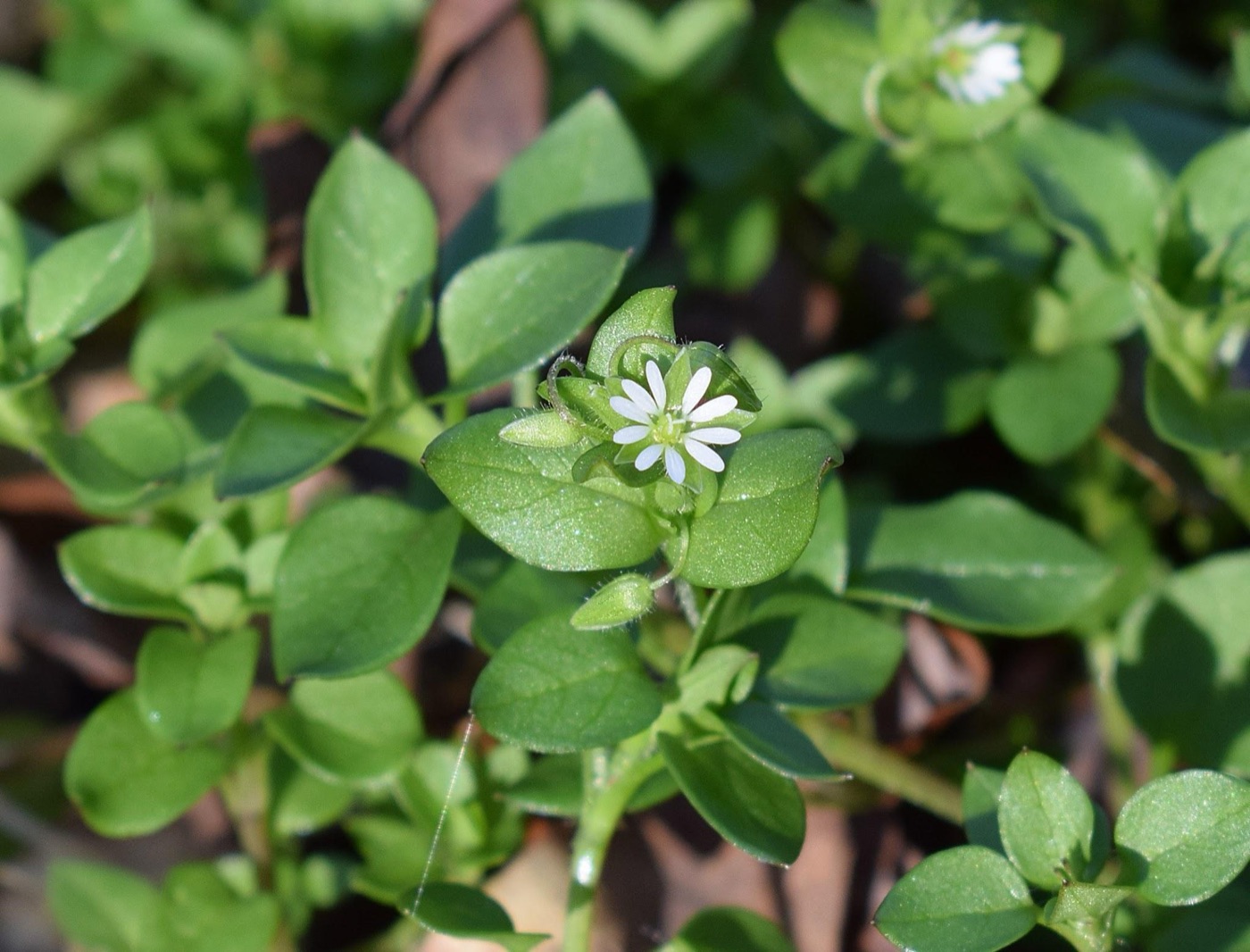
Chickweed
Stellaria media
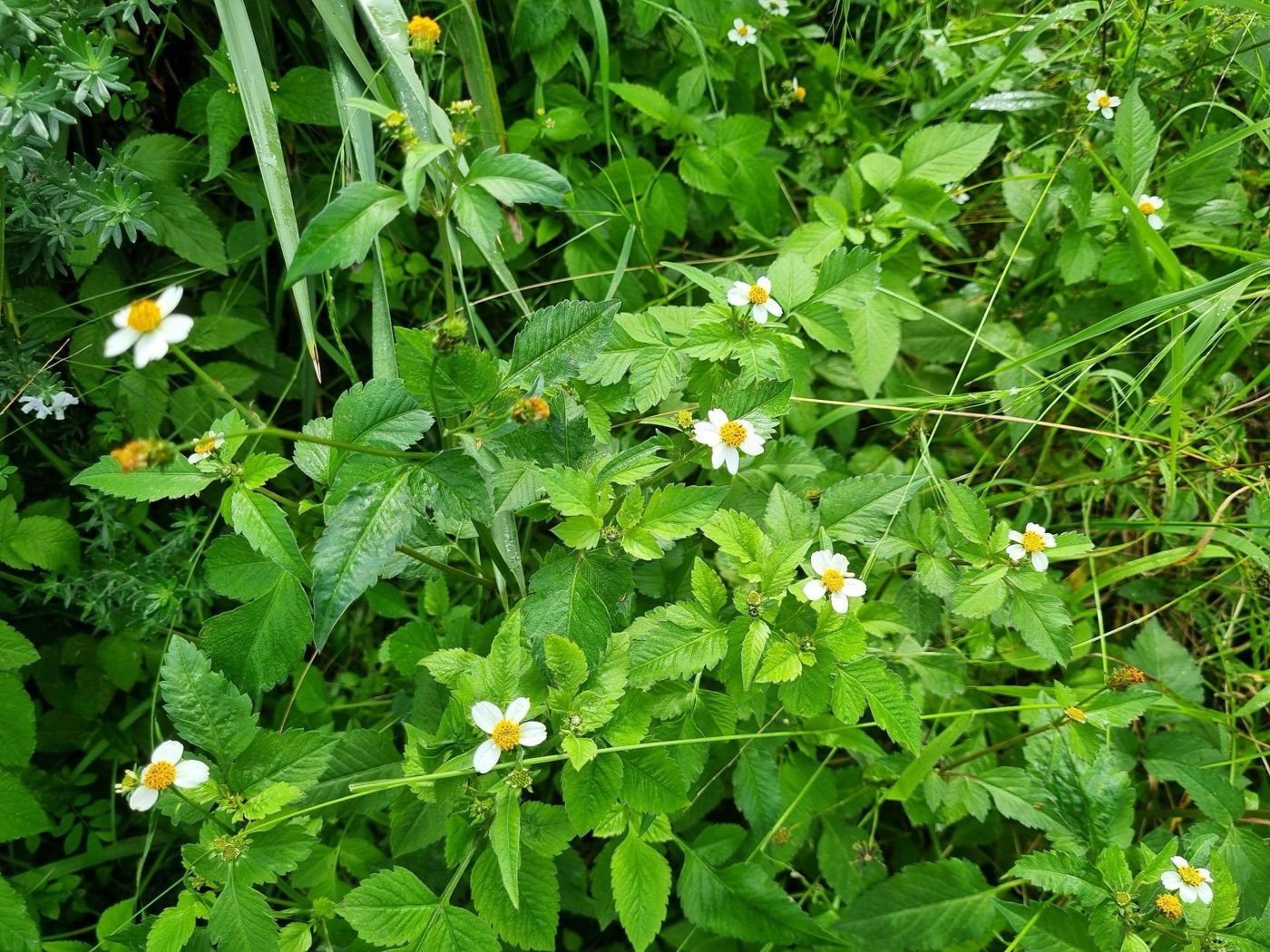
Cobbler's Peg
Bidens pilosa
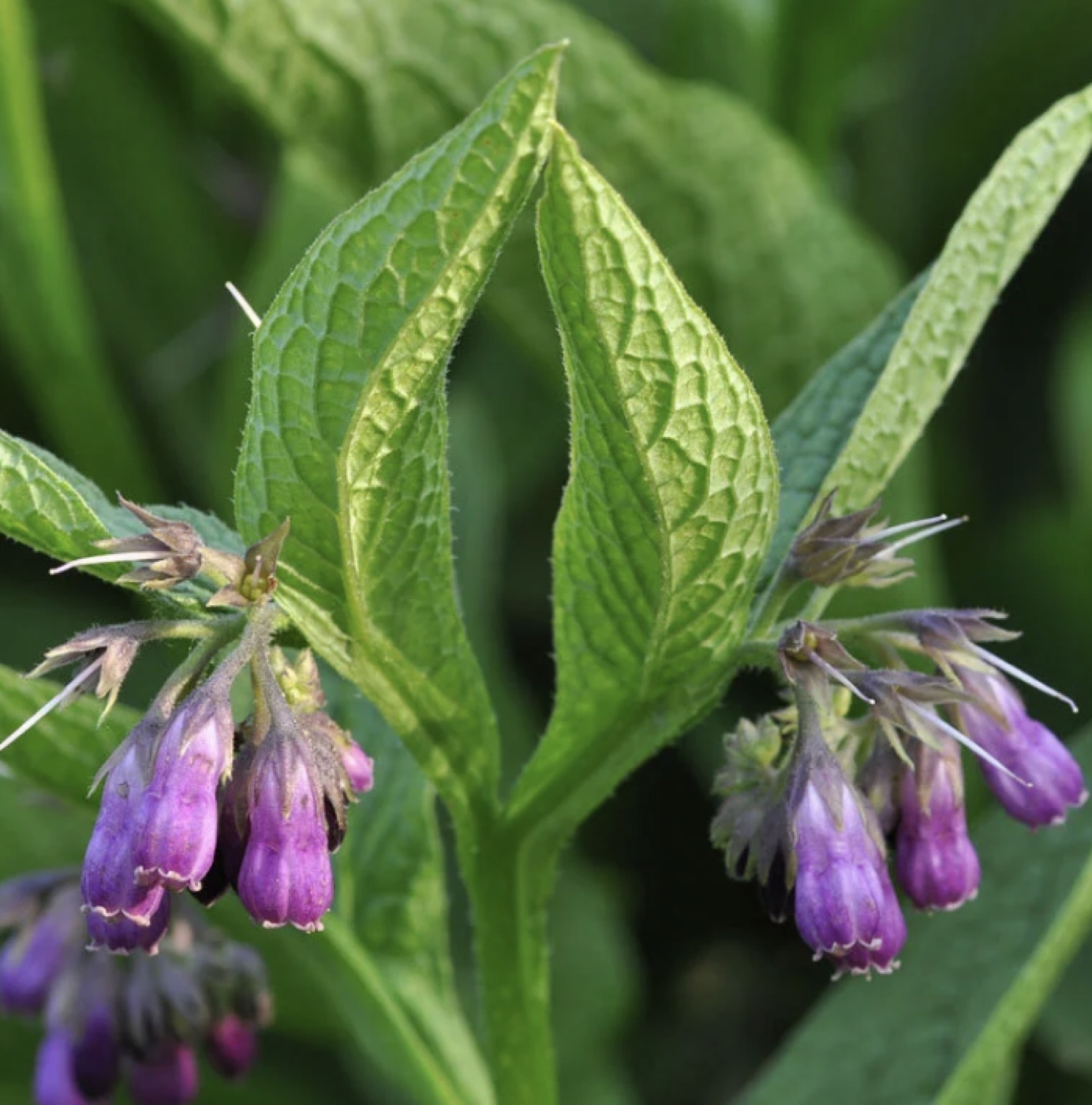
Comfrey
Symphytum officinale
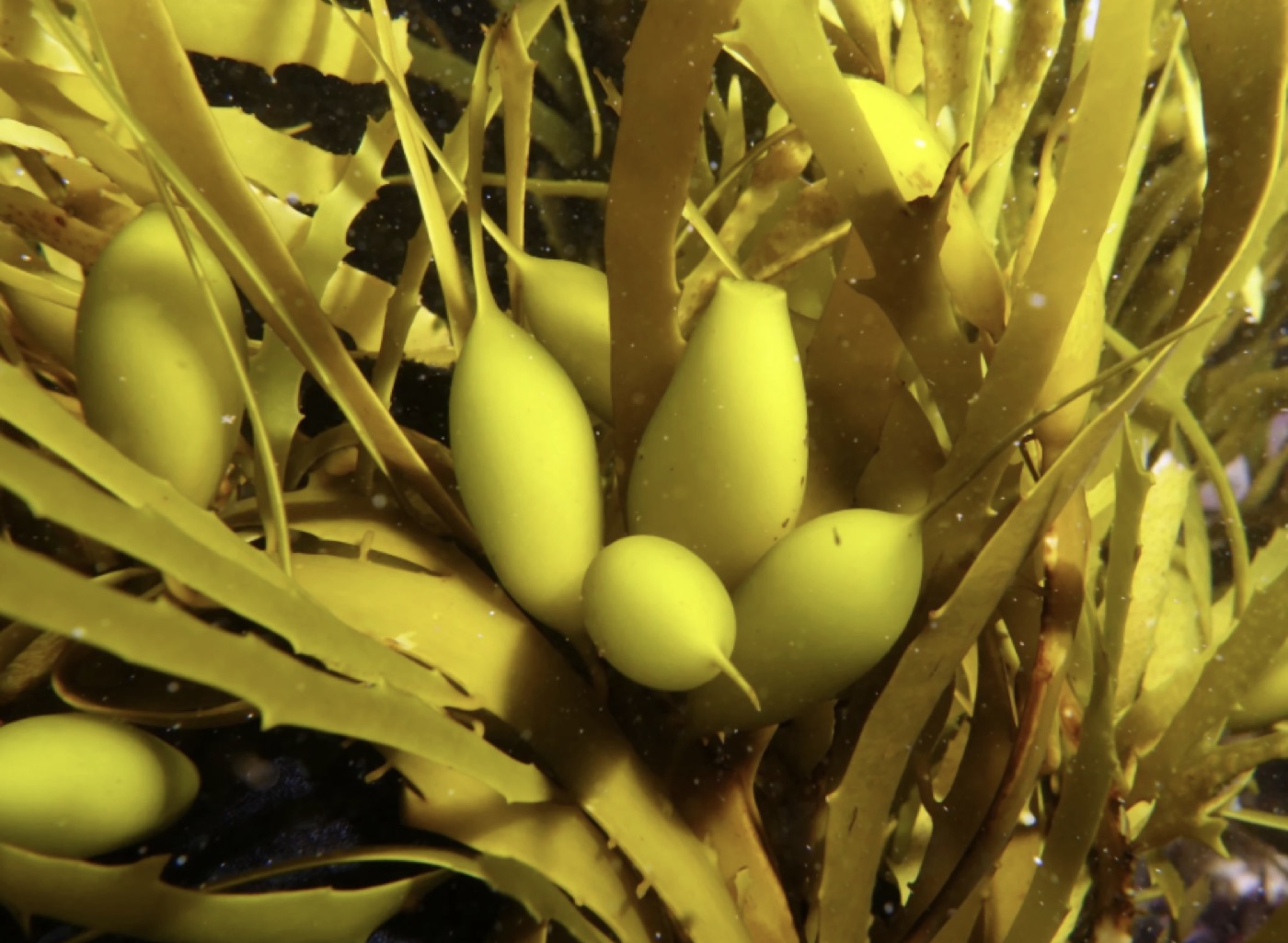
Crayweed / Brown Kelp
Phyllospora comosa
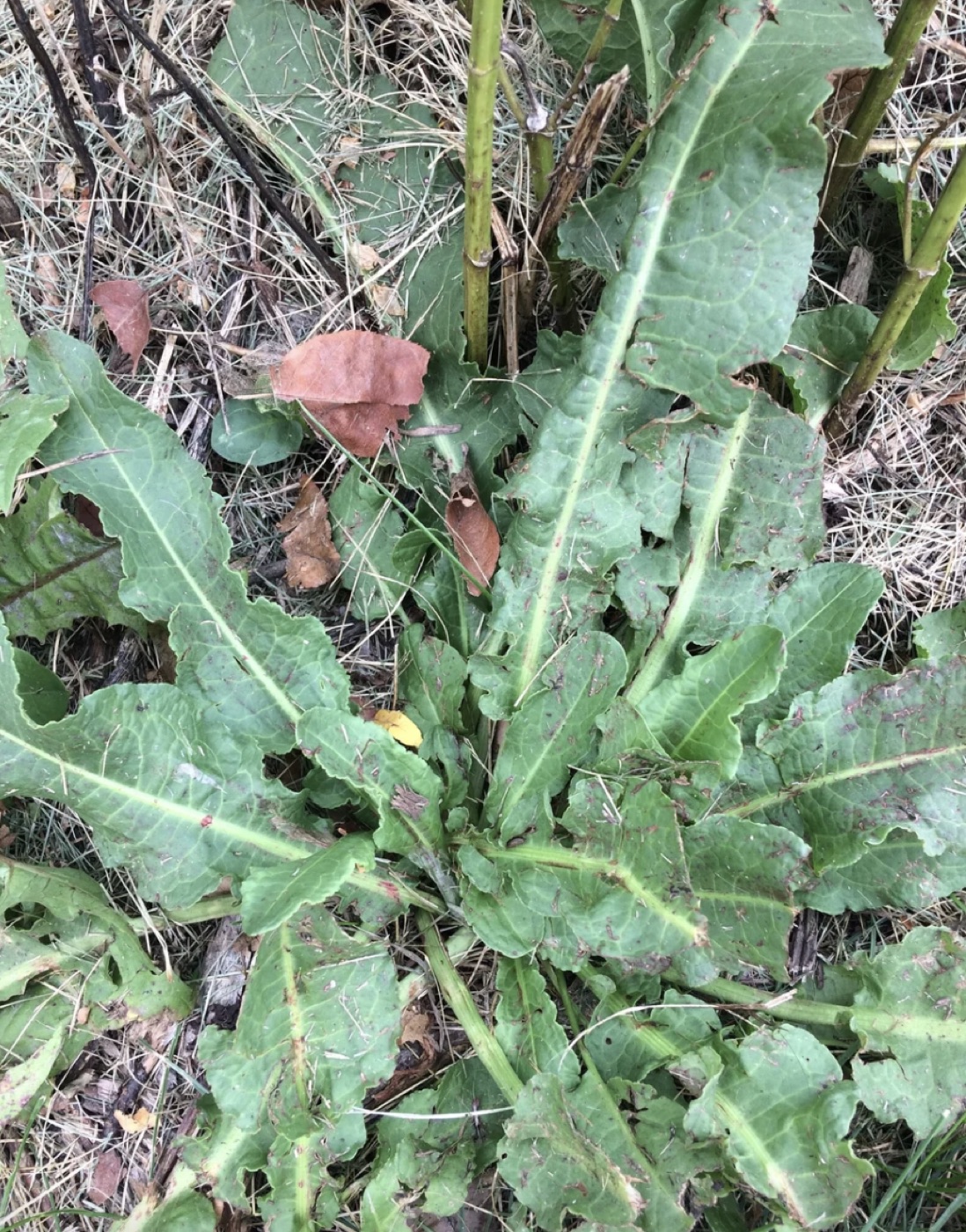
Curly Dock
Rumex crispus
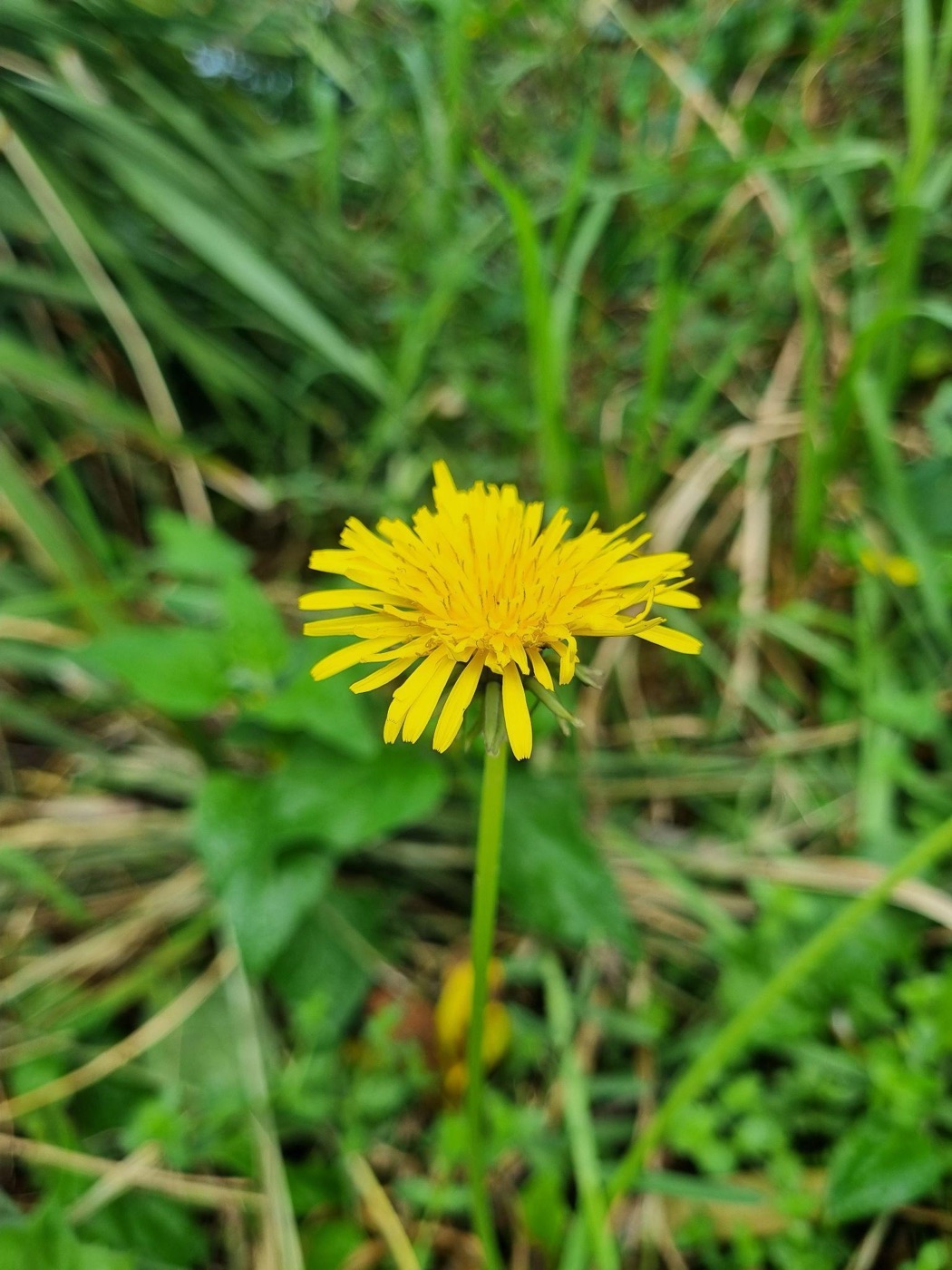
Dandelion
Taraxacum officinale
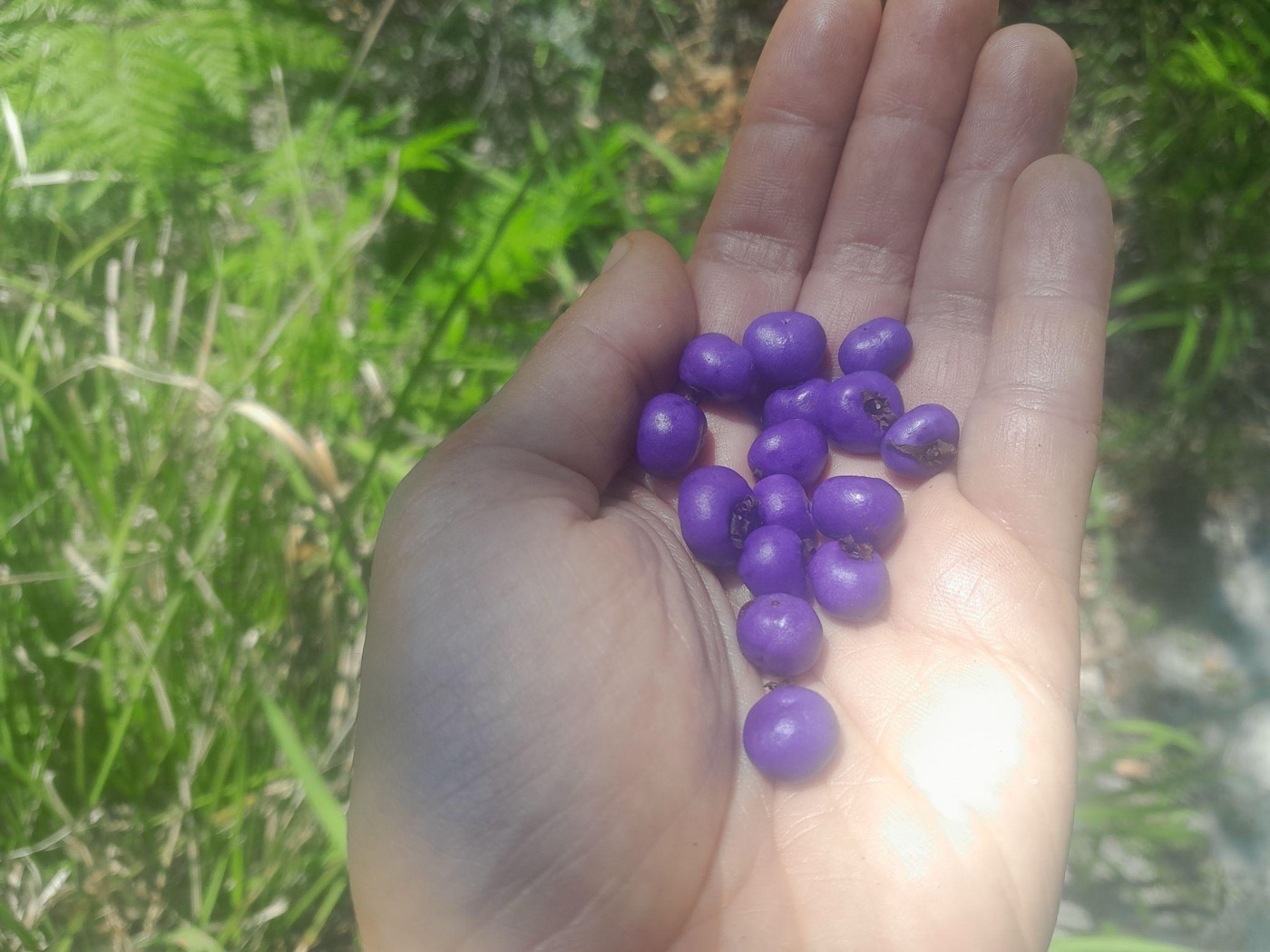
Dianella
Dianella caerulea
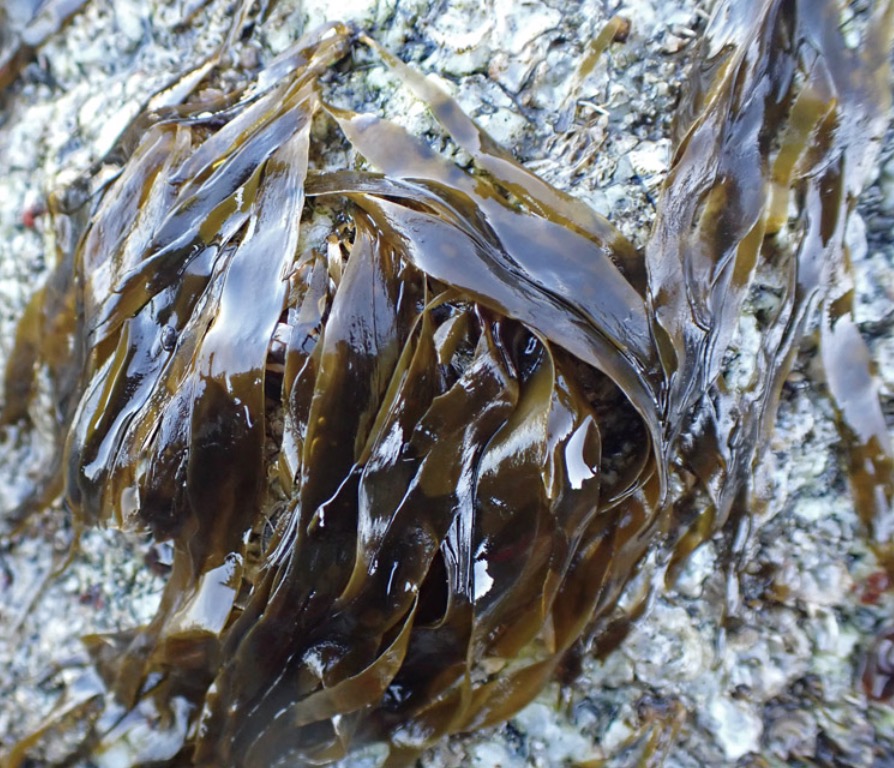
False Kelp
Petalonia fascia
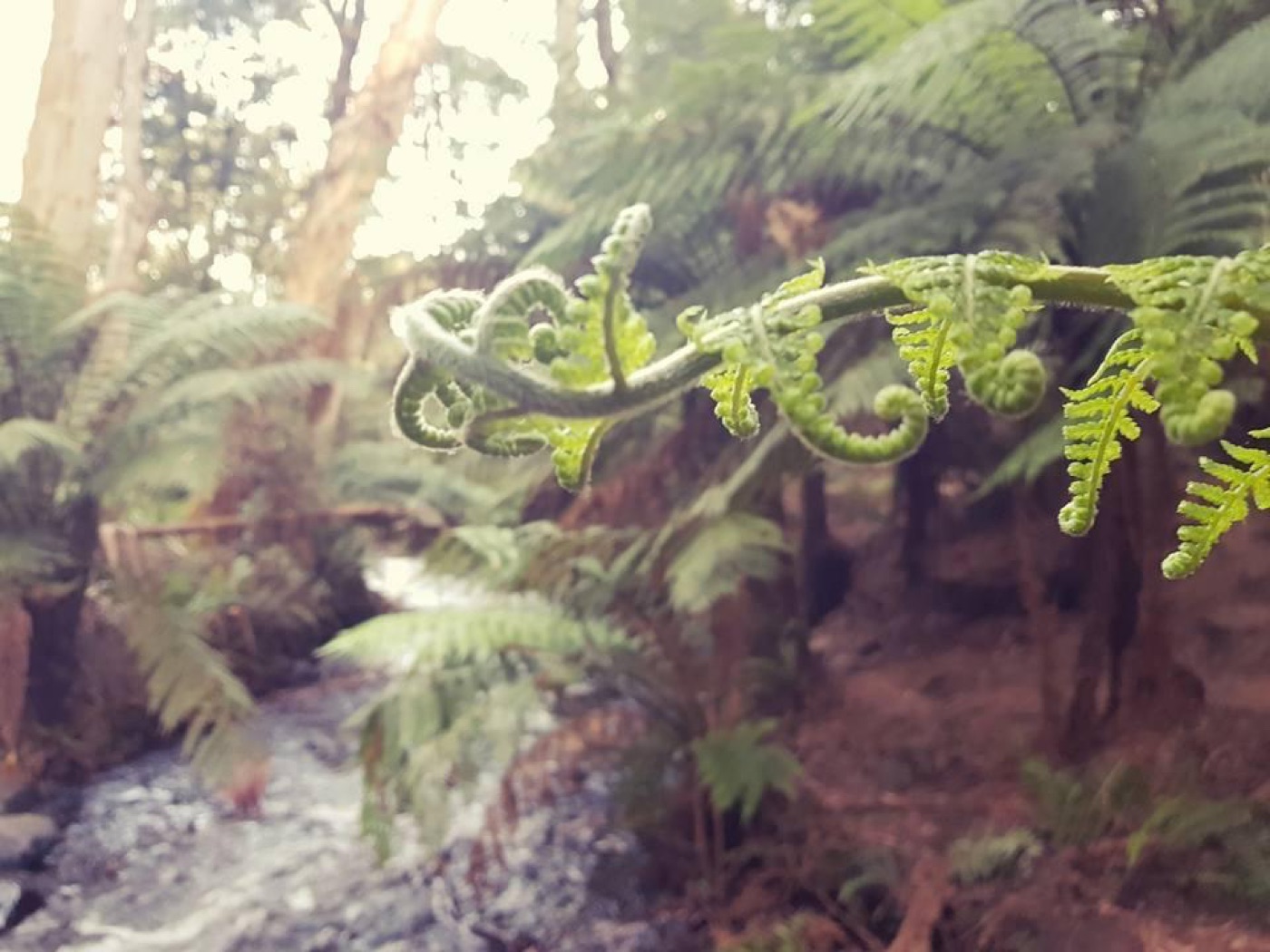
Fern Tips
Mainly Pteridium esculentum (Austral Bracken); also Microsorum, Blechnum spp.
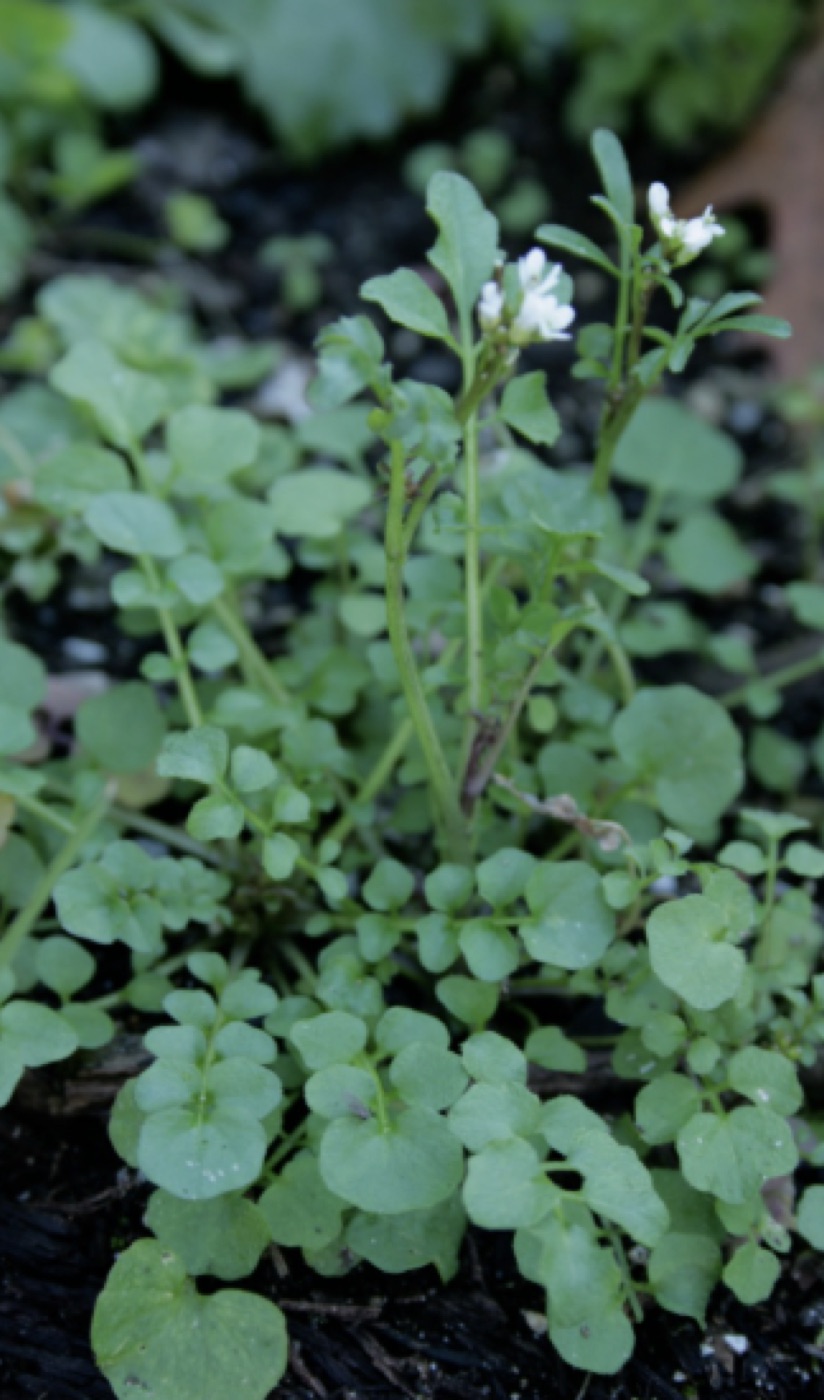
Flick Weed / Hairy Bittercress
Cardamine hirsuta
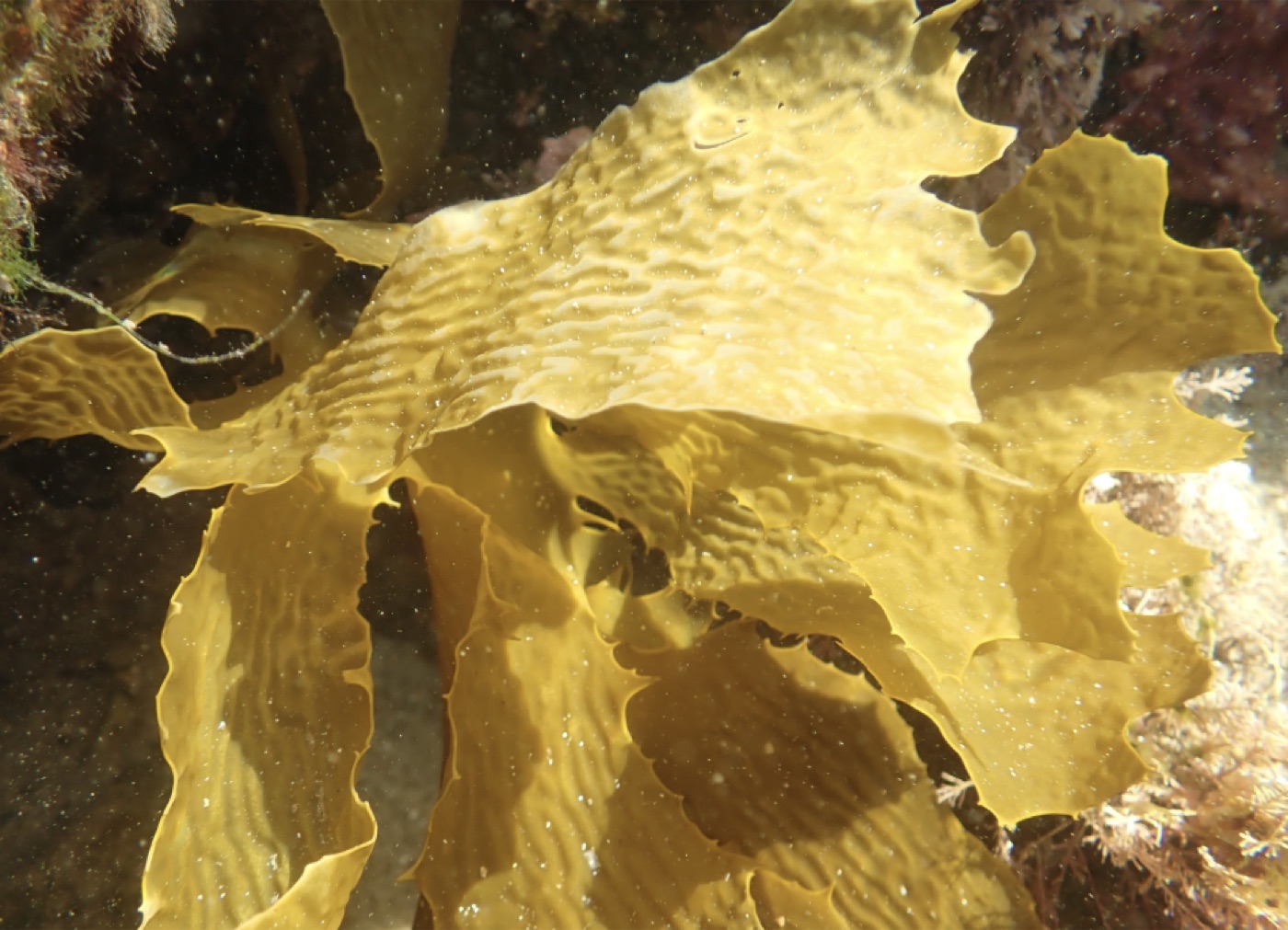
Golden Kelp
Ecklonia radiata
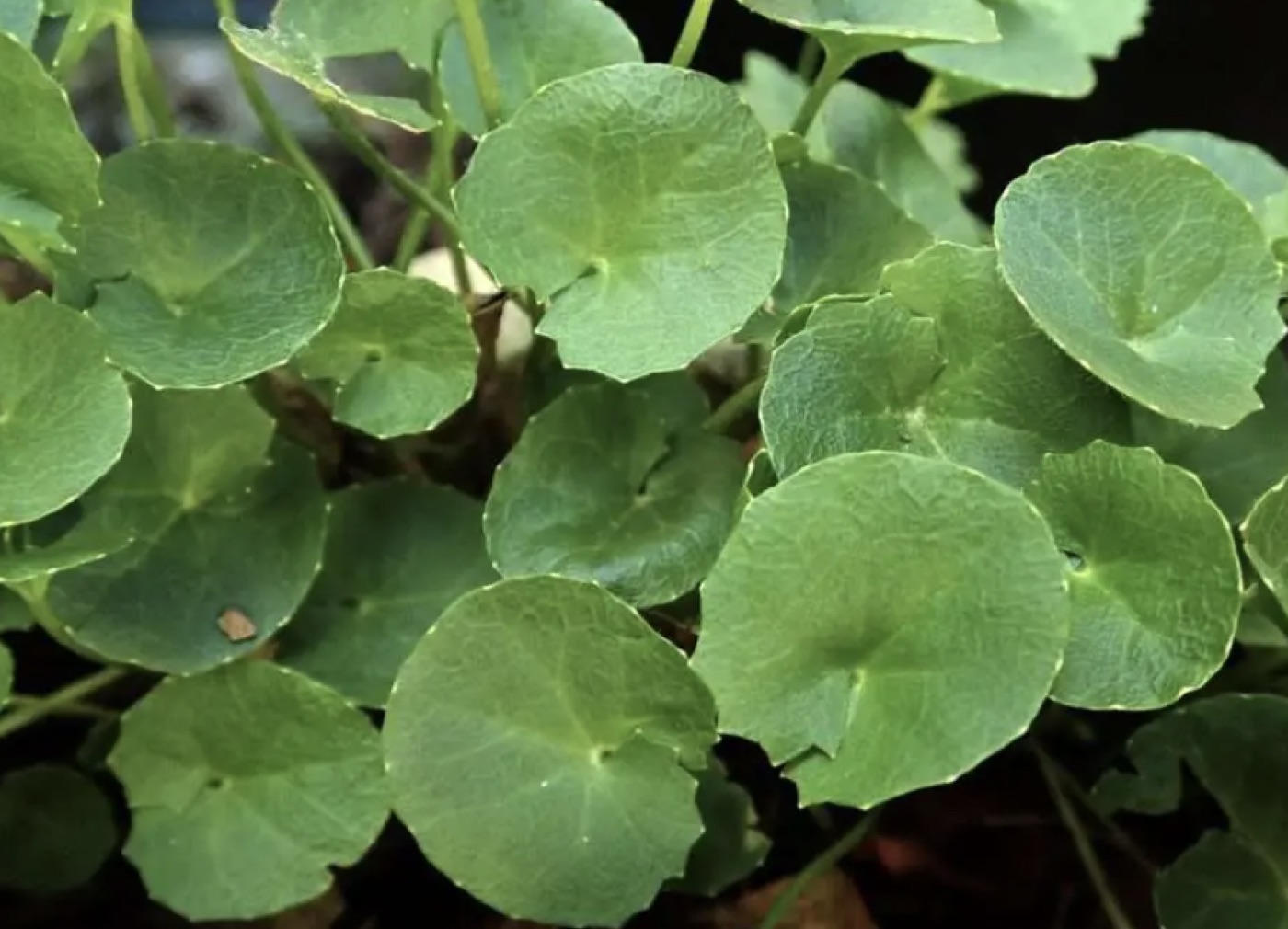
Gotu Kola
Centella asiatica
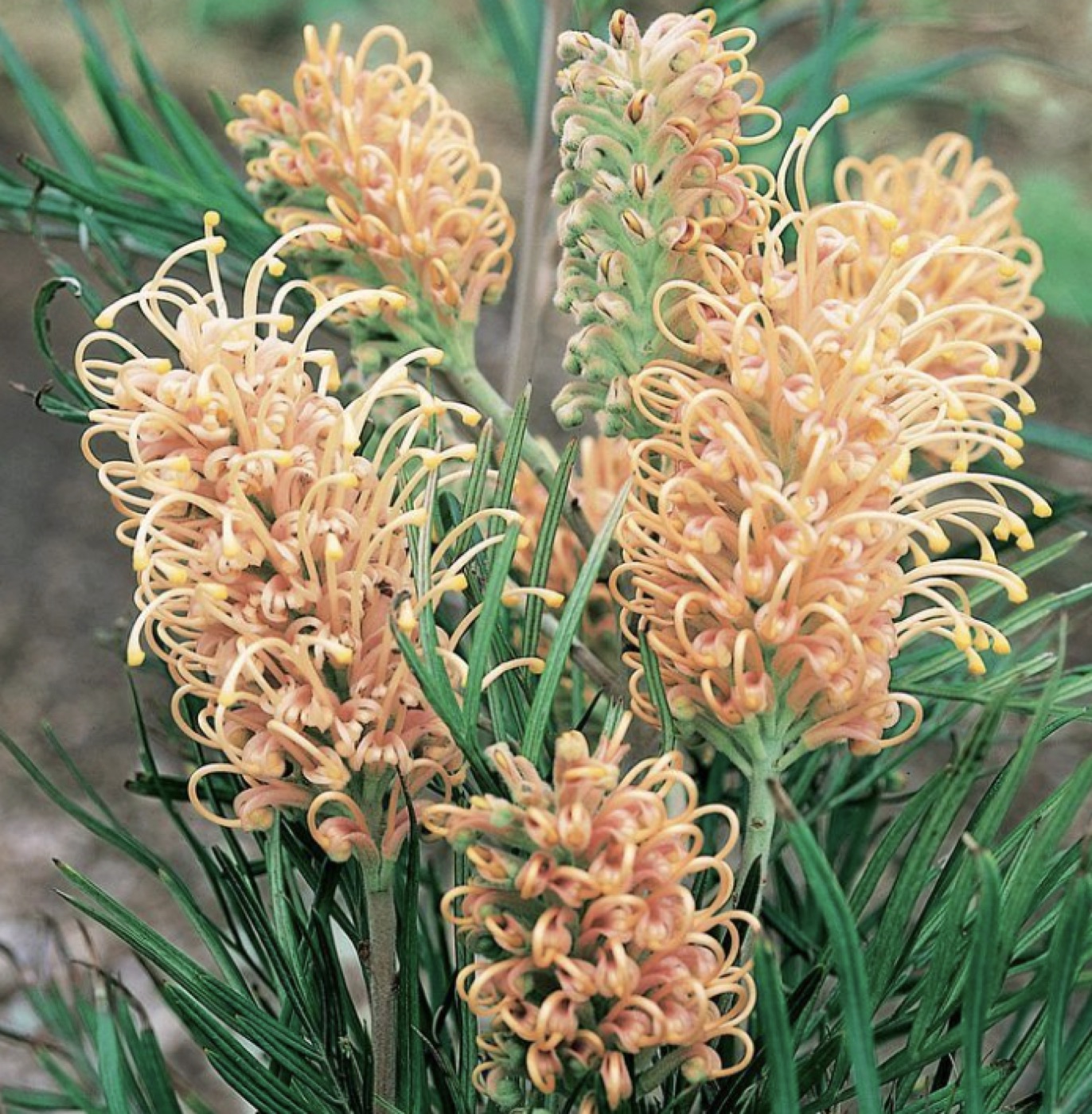
Grevillea
Grevillea spp. (esp. G. robusta, G. banksii, G. rosmarinifolia)
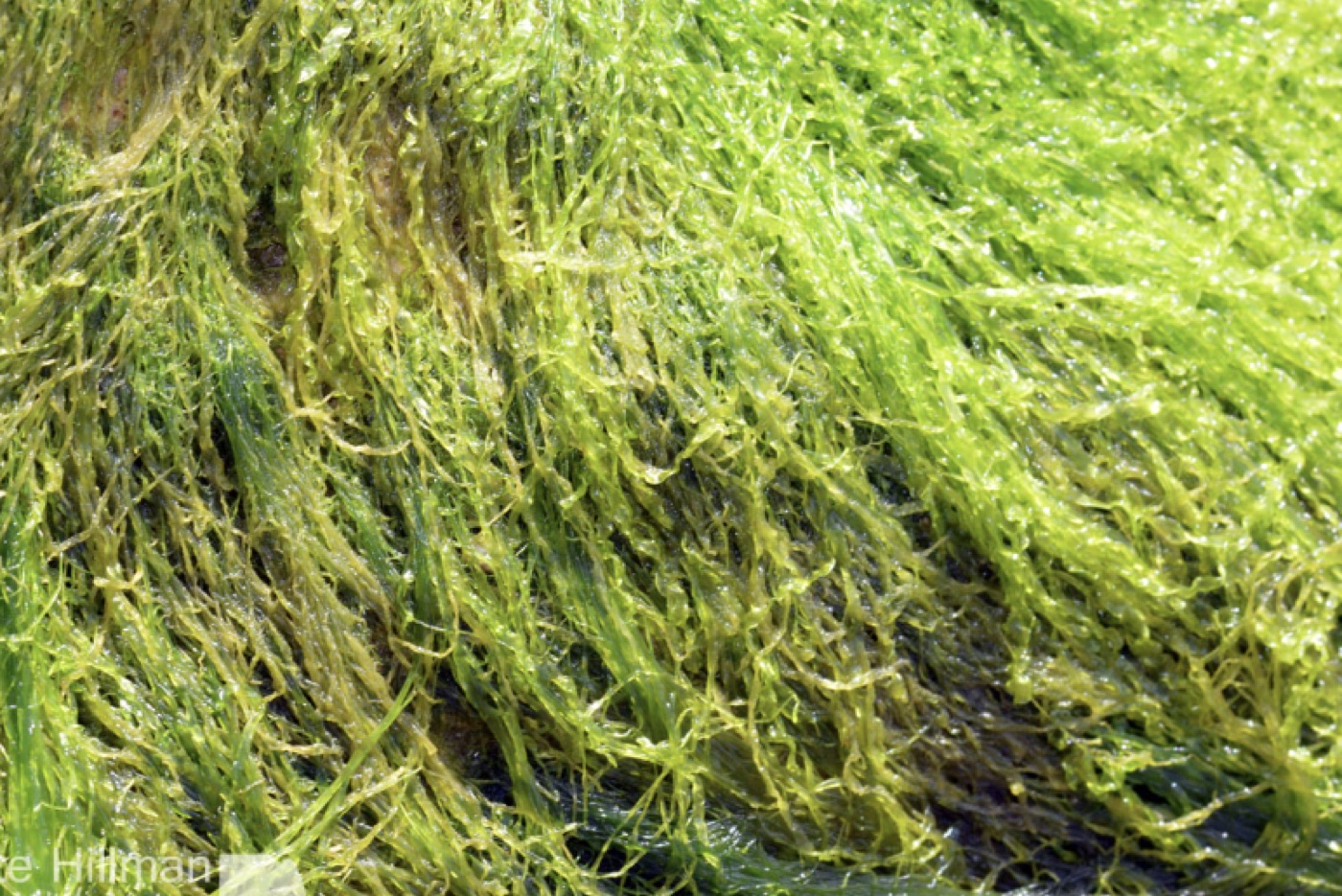
Gutweed
Ulva intestinalis (formerly Enteromorpha intestinalis)
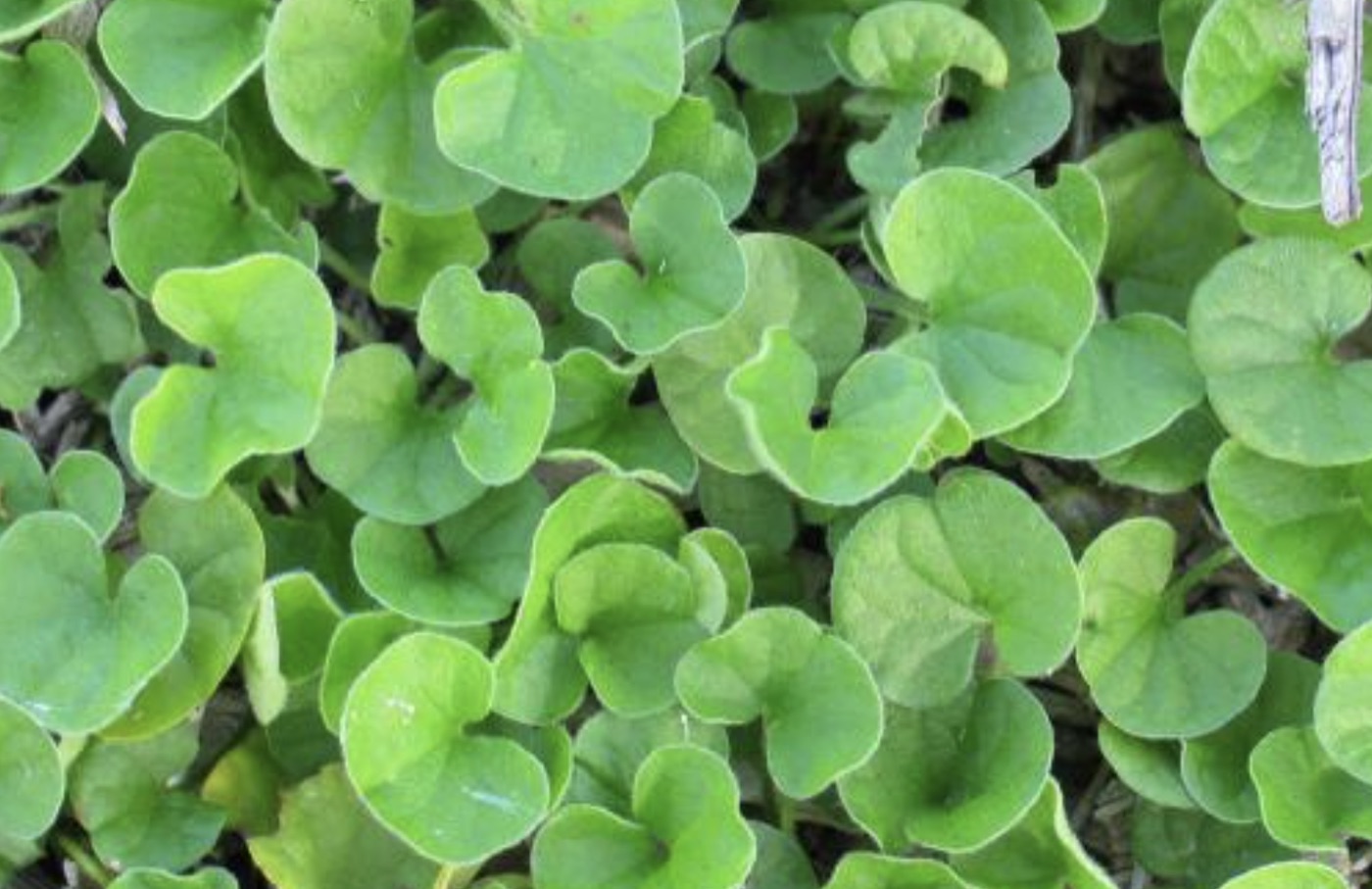
Kidney Weed
Dichondra repens
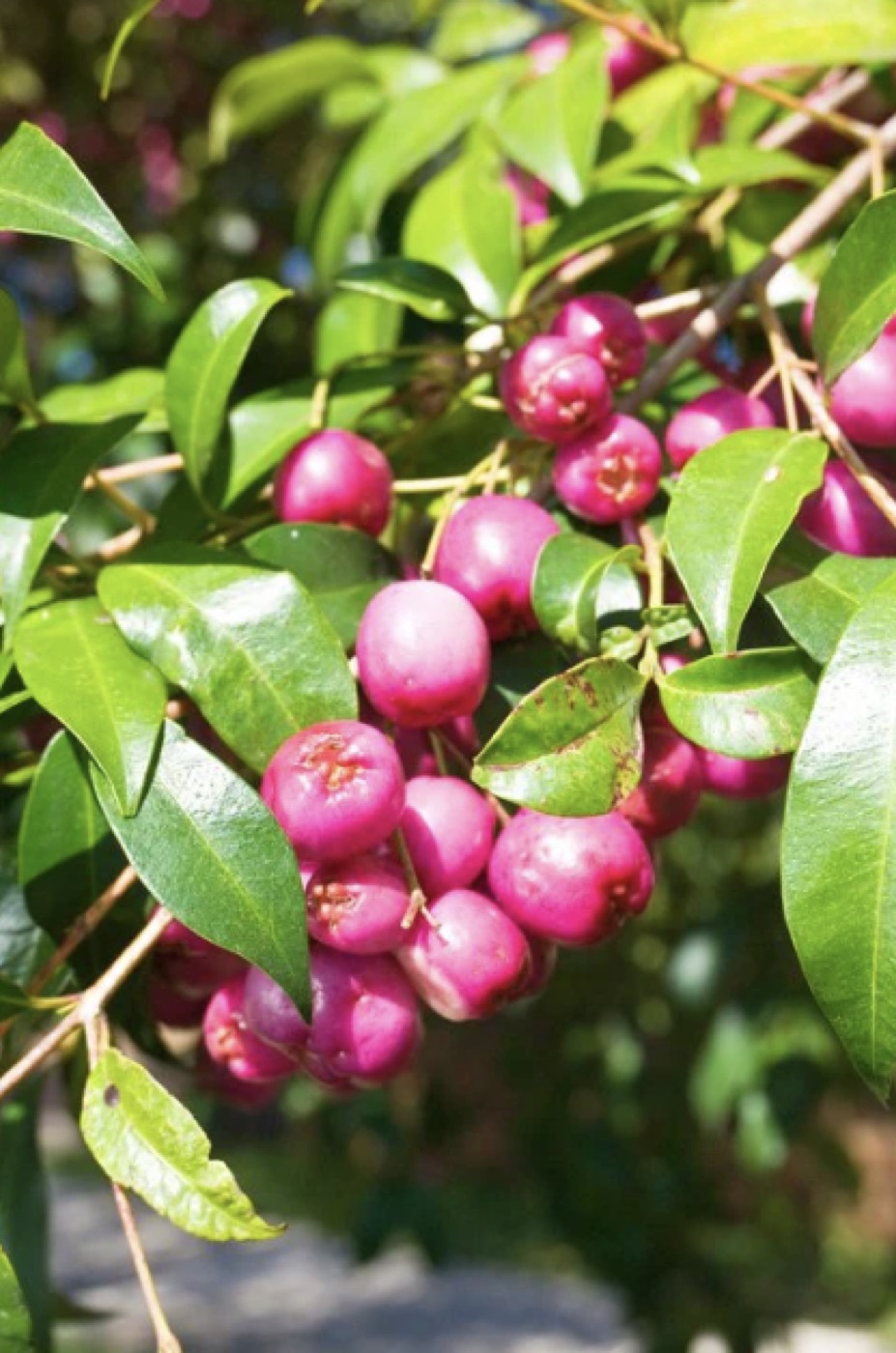
Lilly Pilly
Syzygium smithii, S. luehmannii, S. paniculatum and others
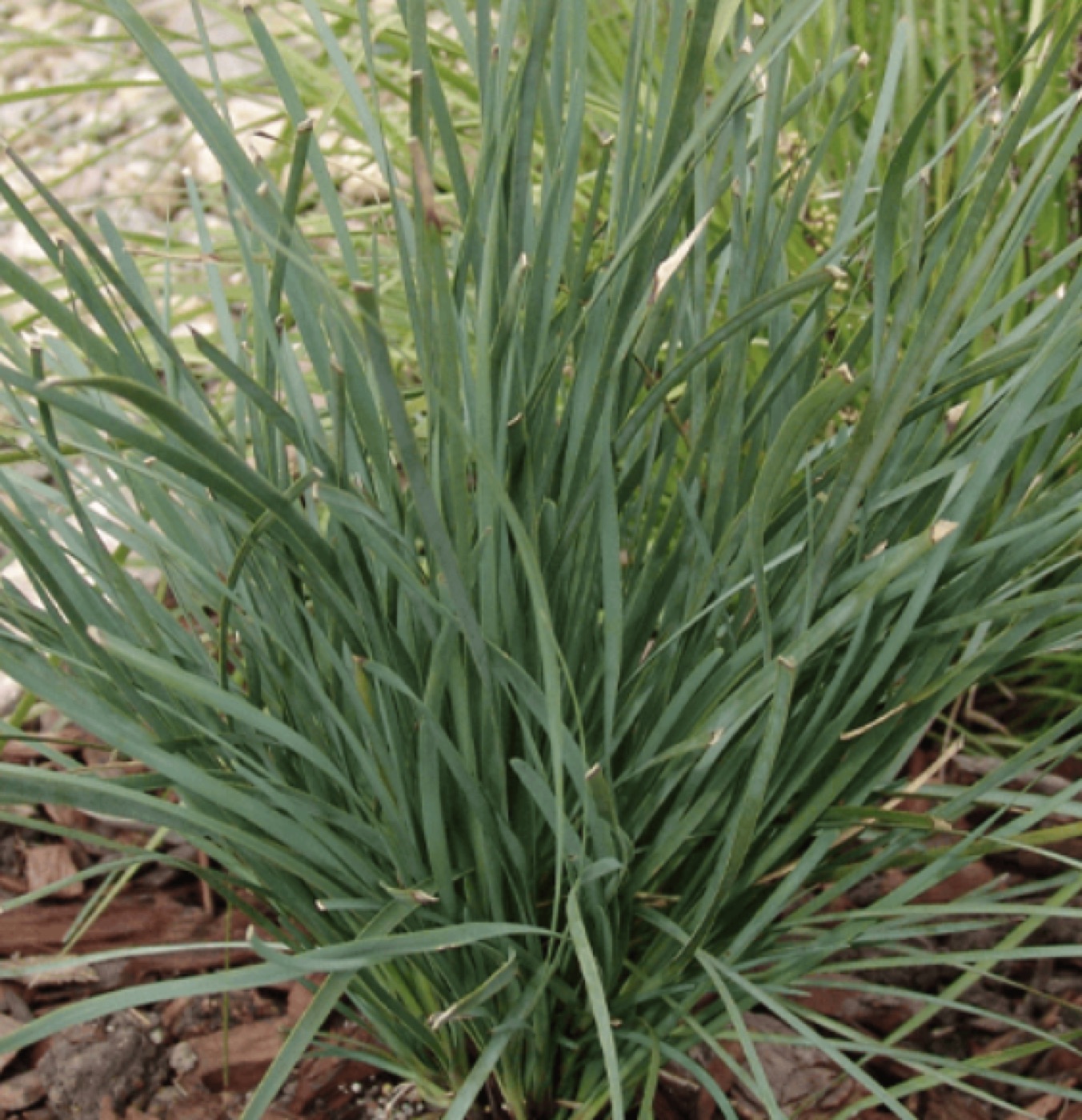
Lomandra
Lomandra longifolia
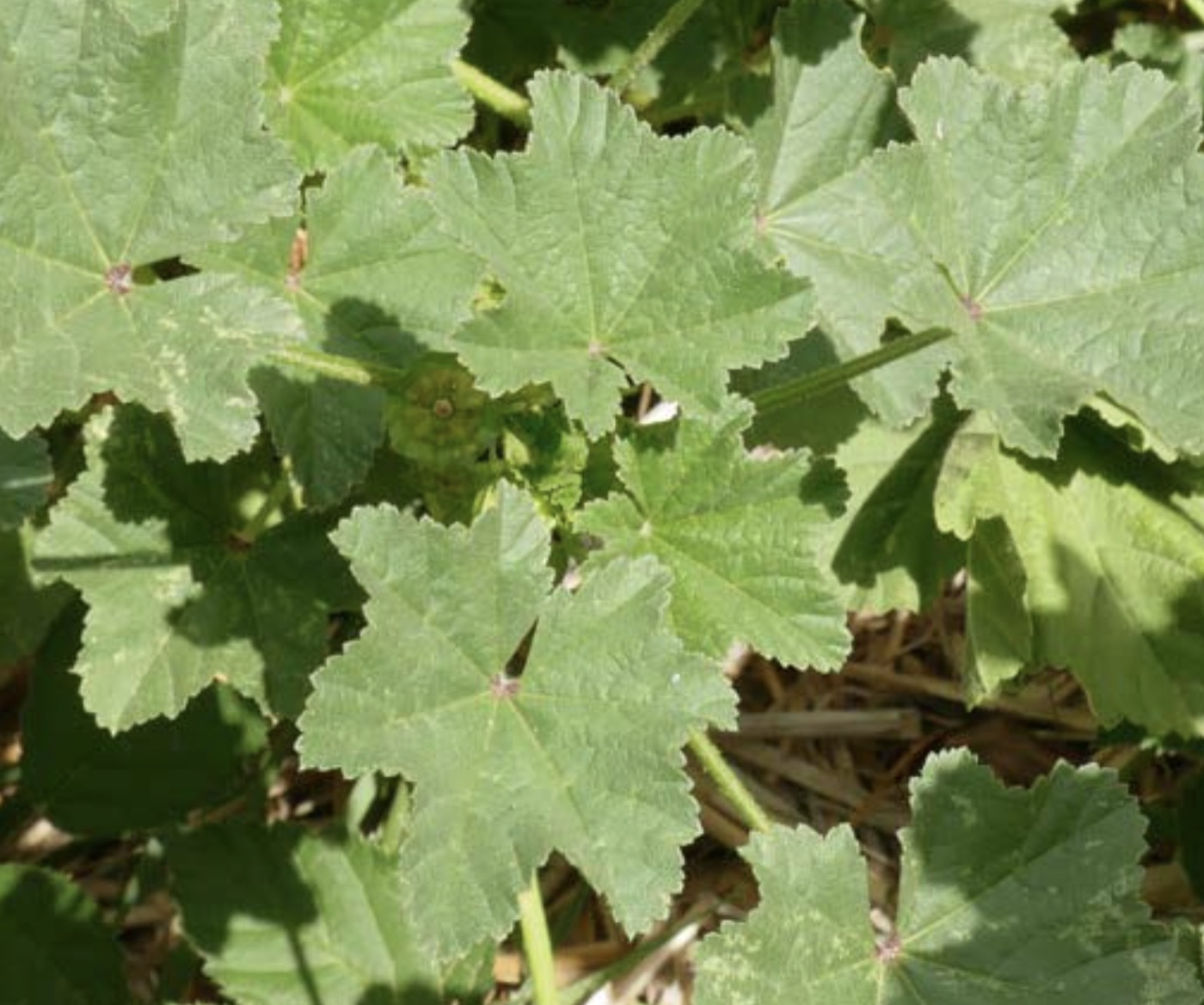
Mallow
Malva parviflora, M. sylvestris, Malva neglecta
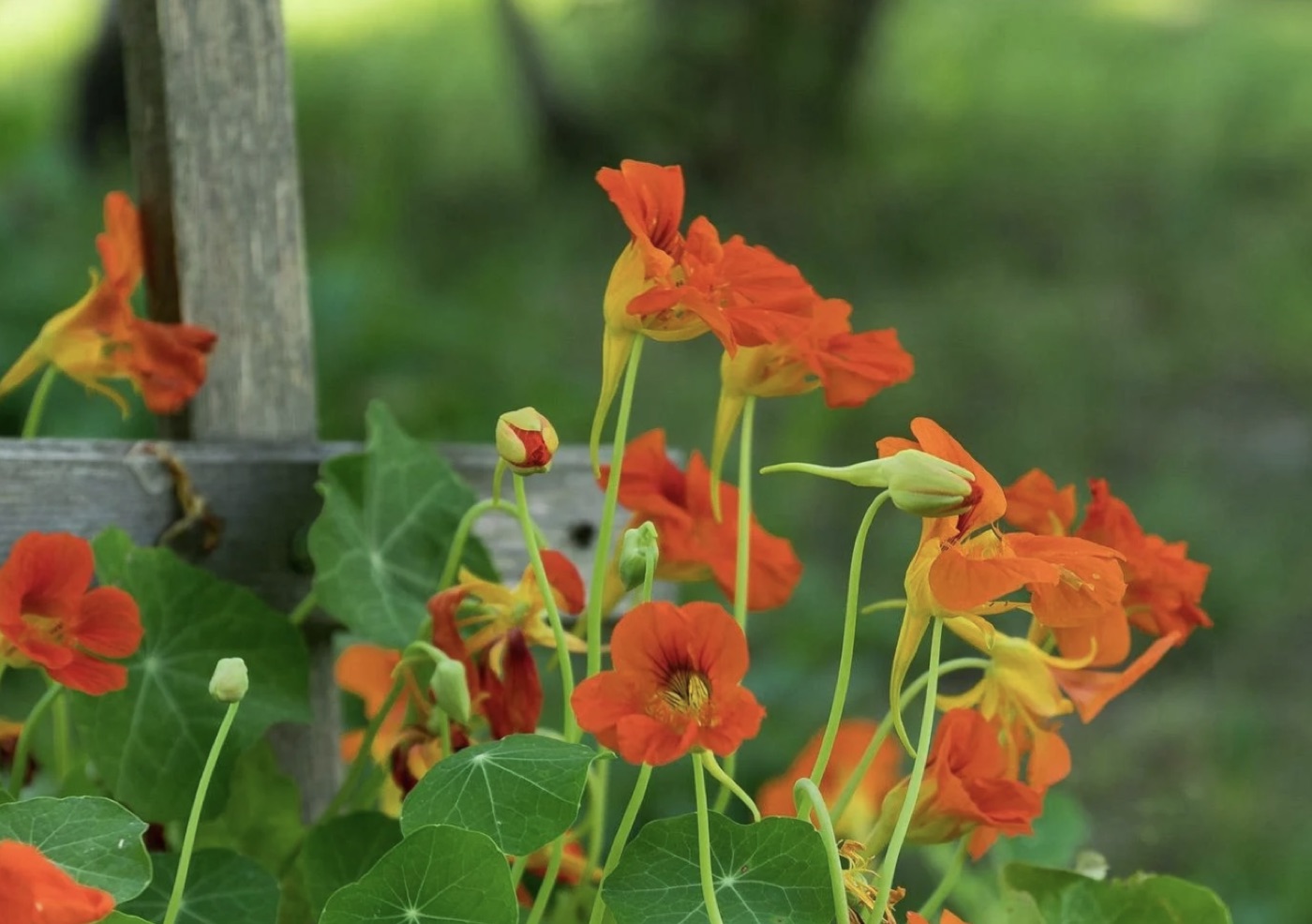
Nasturtium
Tropaeolum majus
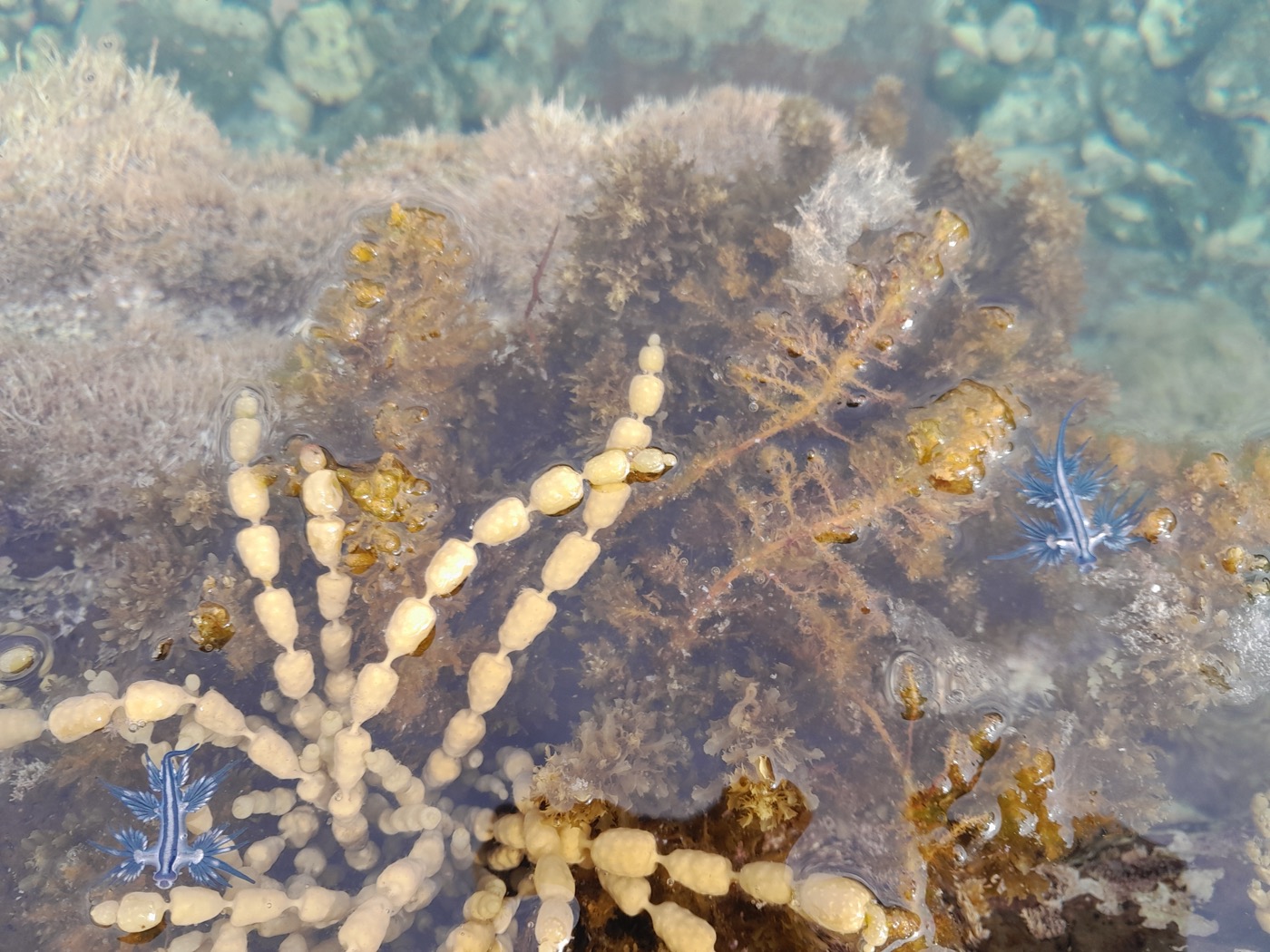
Neptune's Necklace
Hormosira banksii
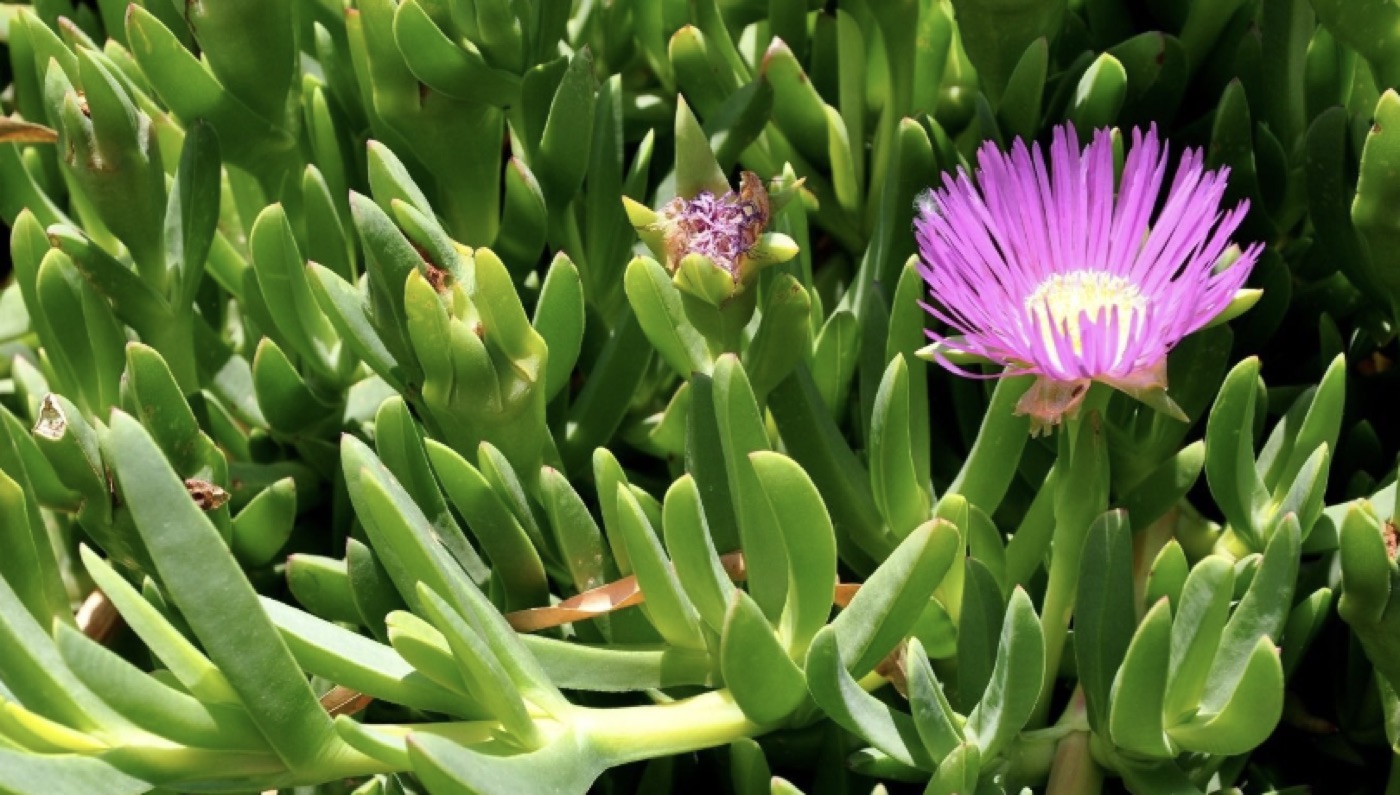
Pigface
Carpobrotus rossii, C. glaucescens
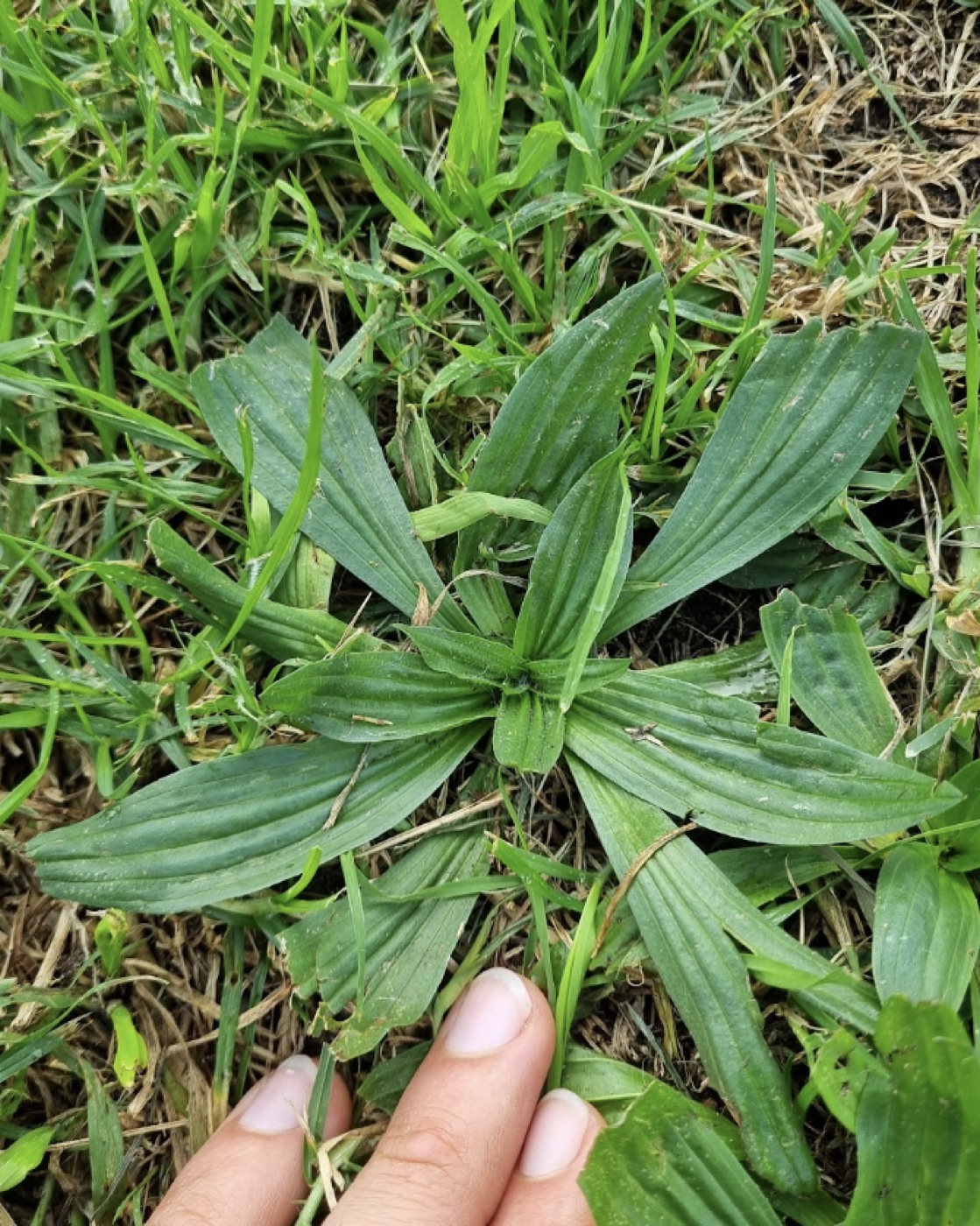
Plantain
Plantago lanceolata (Ribwort), Plantago major (Broadleaf Plantain)
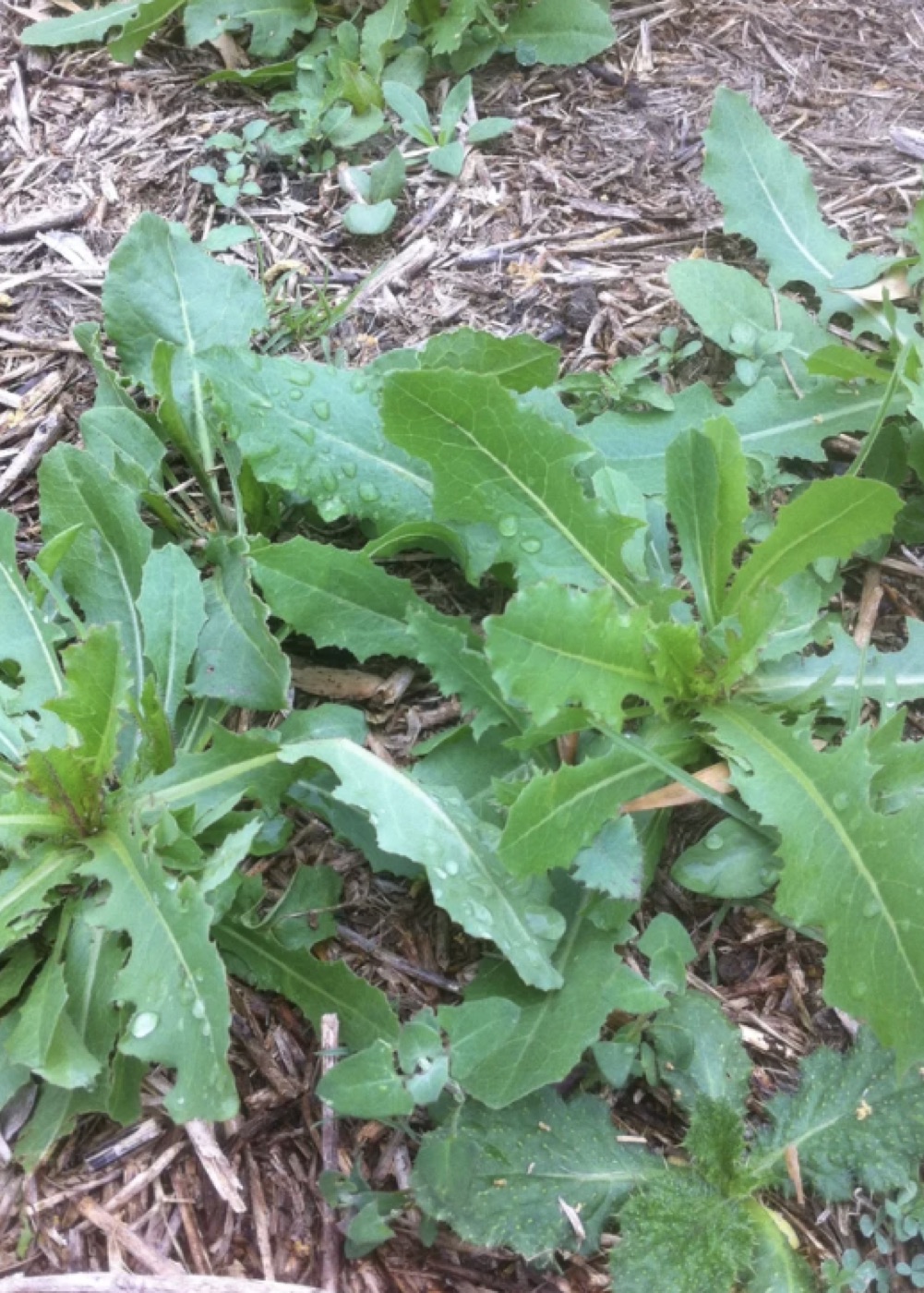
Prickly Lettuce
Lactuca serriola
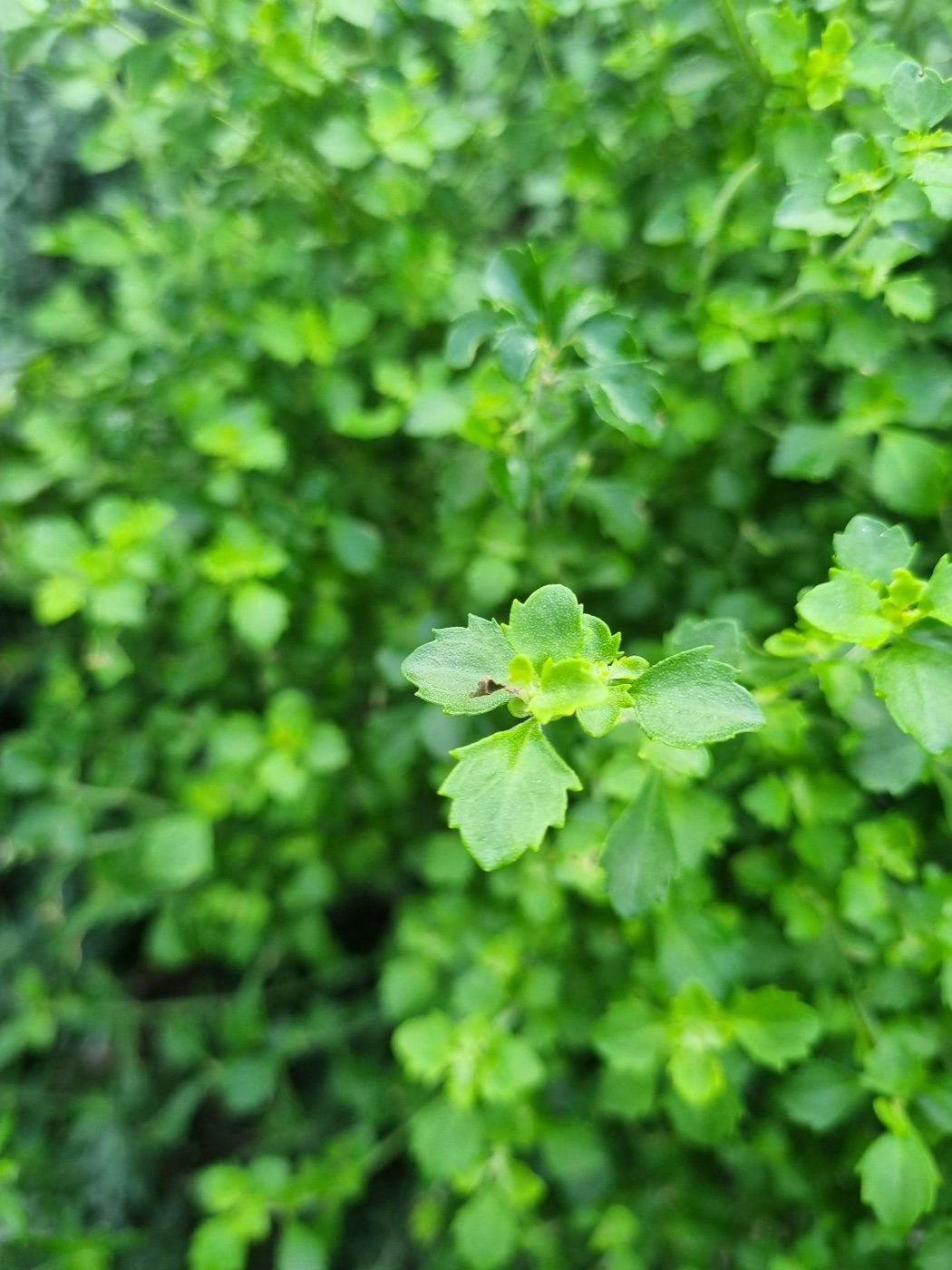
Prostanthera (Native Mint Bush)
Prostanthera spp. (esp. P. rotundifolia, P. incisa, P. sieberi)
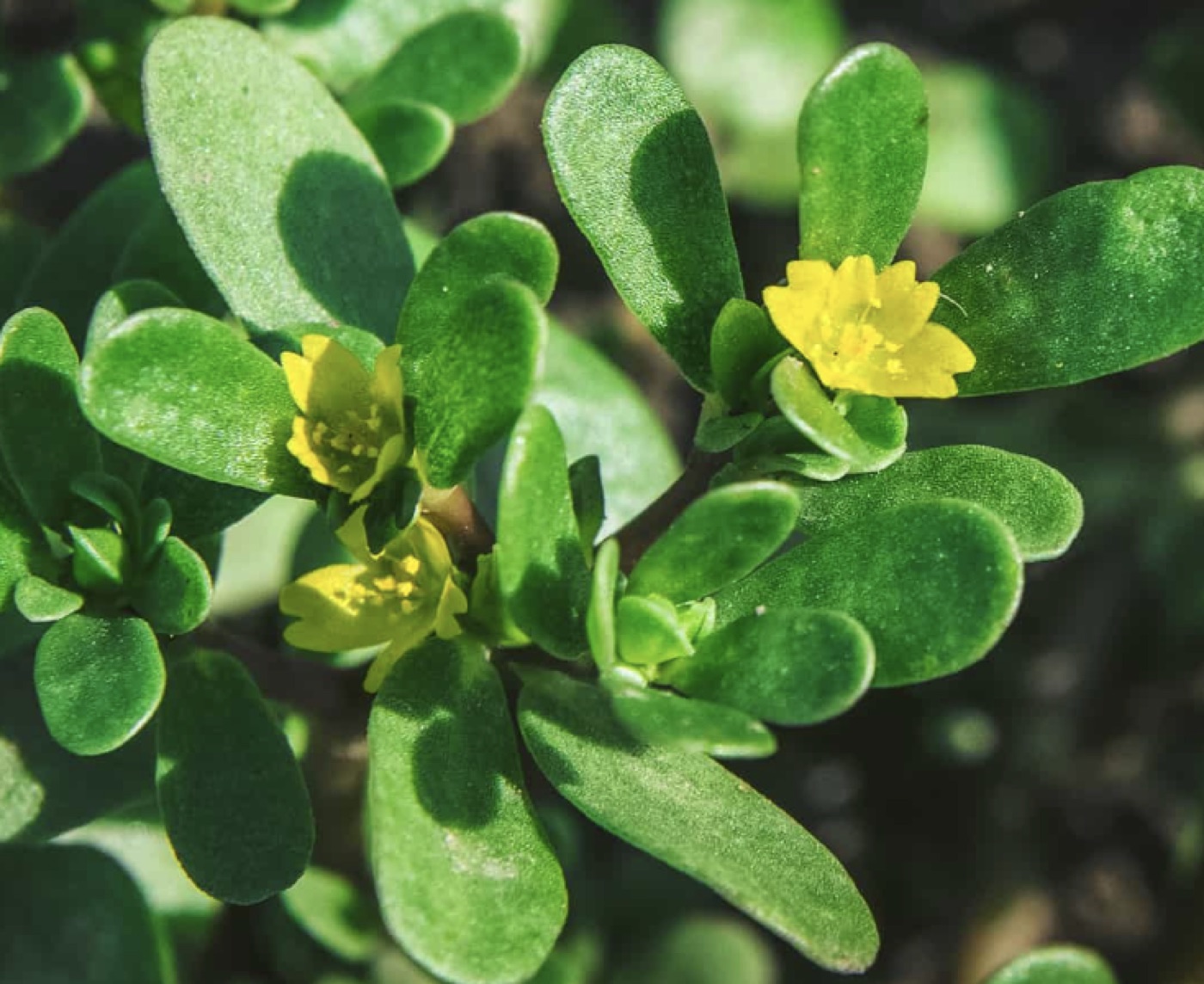
Purslane
Portulaca oleracea
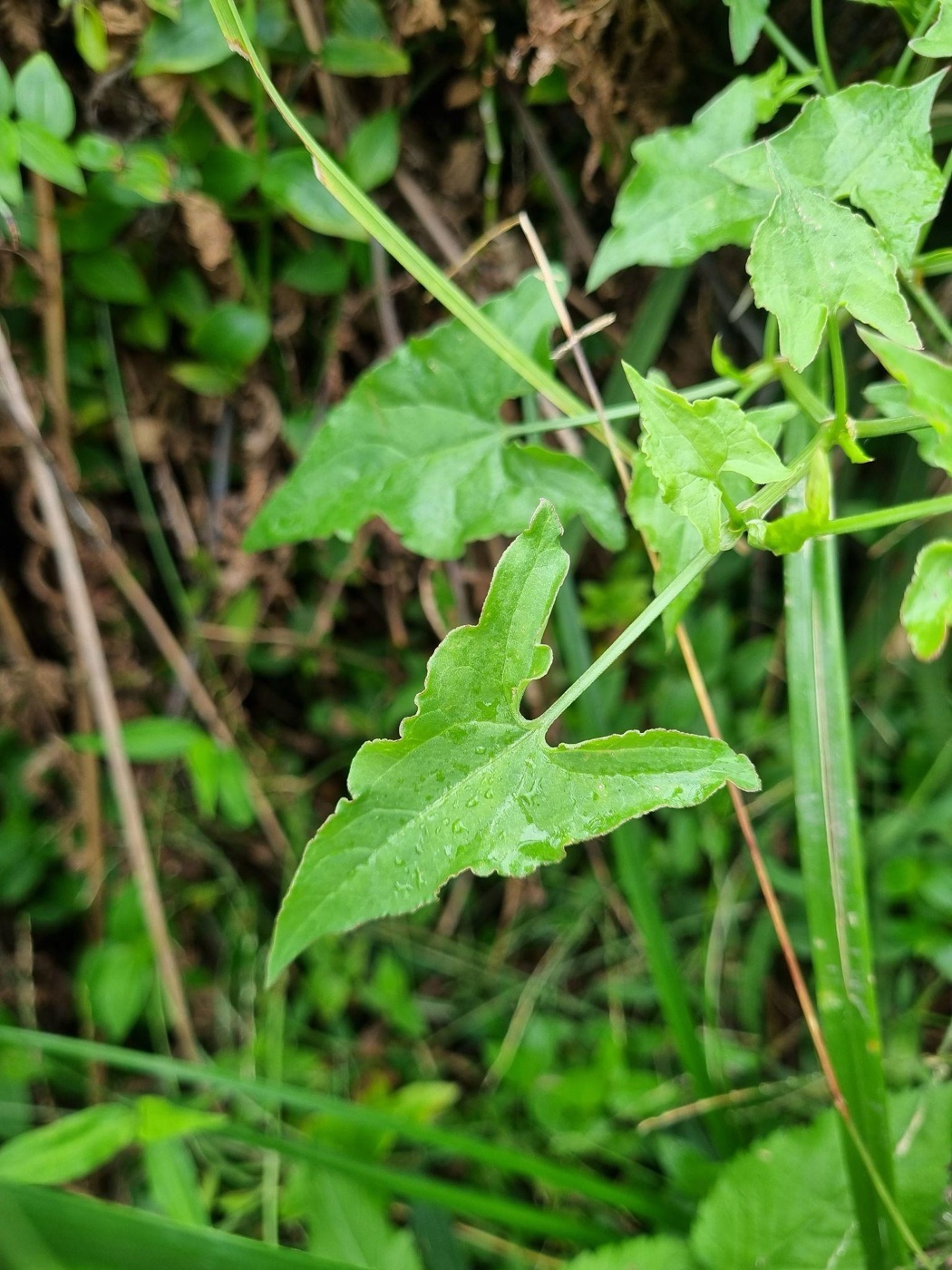
Rambling Dock / Arrow Weed
Rumex sagittatus
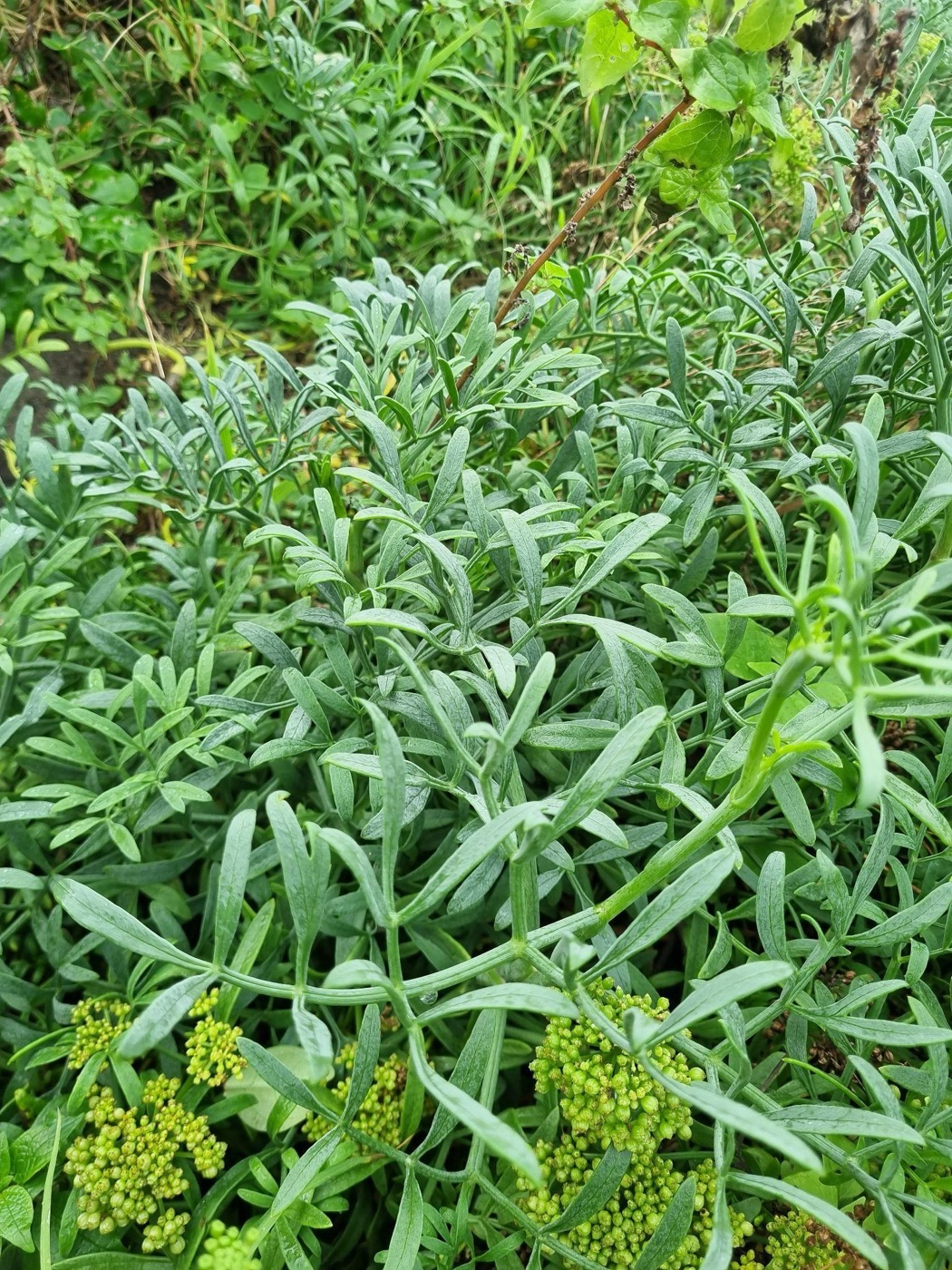
Rock Samphire
Crithmum maritimum
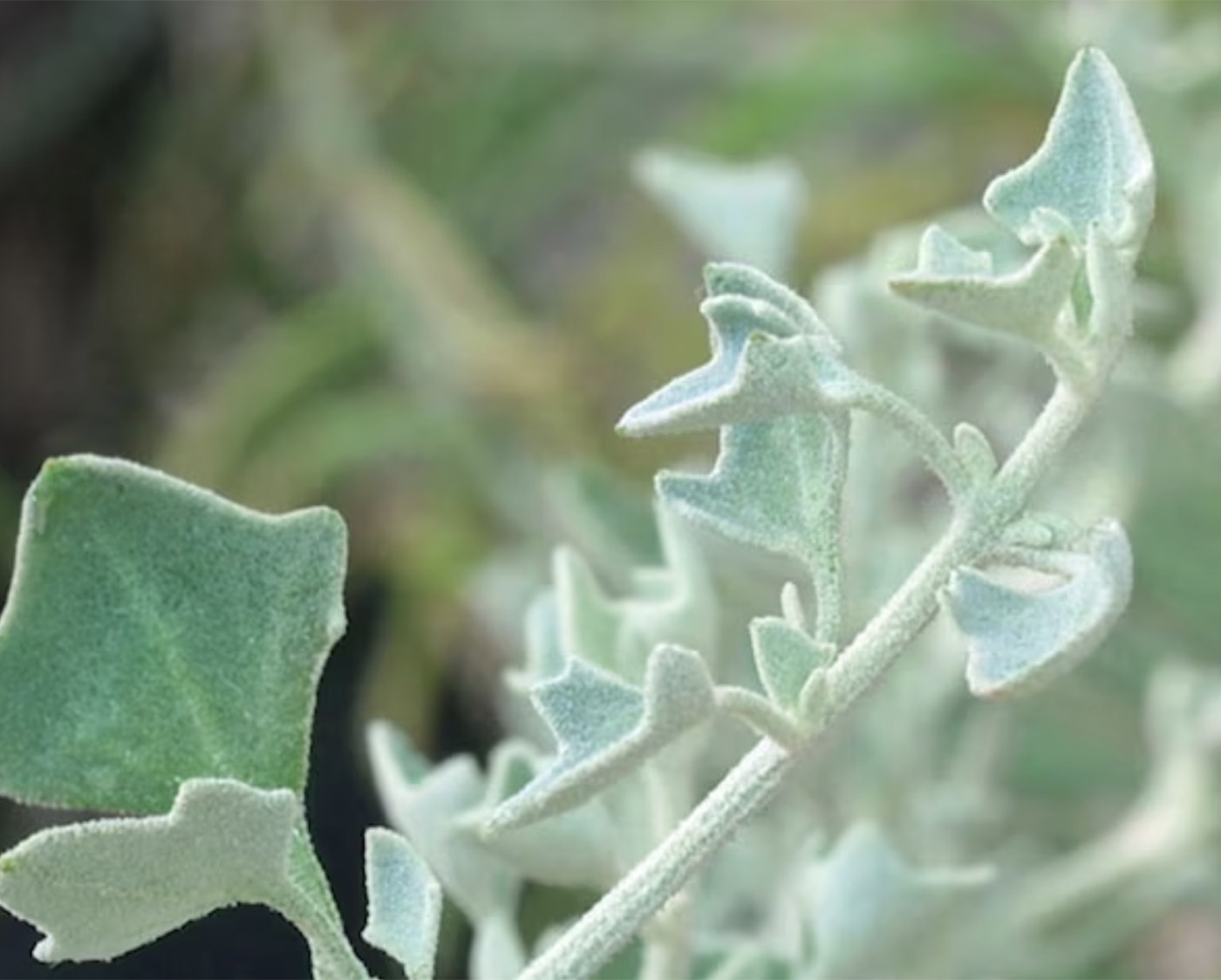
Saltbush
Atriplex spp. (esp. A. semibaccata, A. cinerea, A. nummularia)
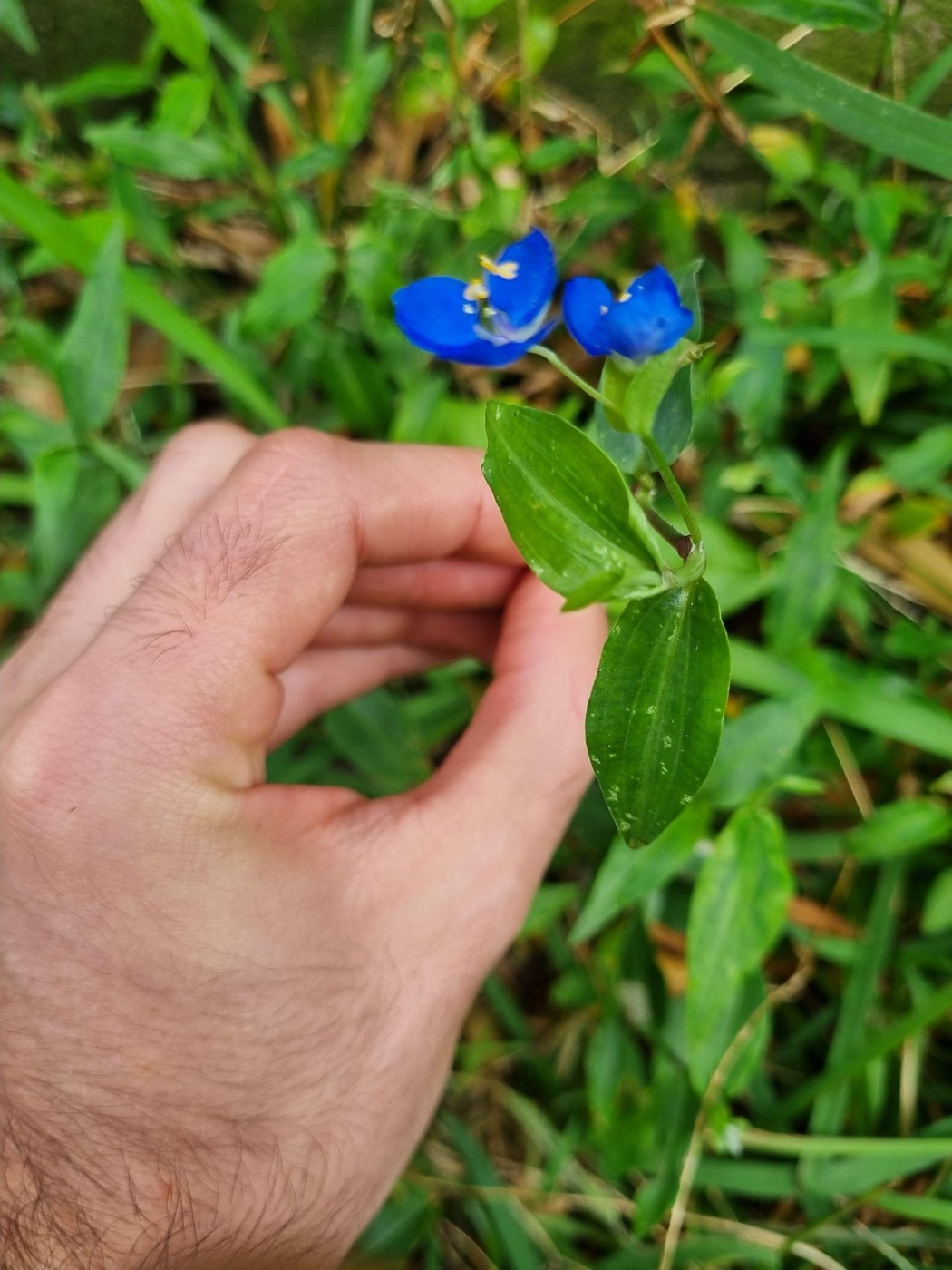
Scurvy Weed
Commelina cyanea
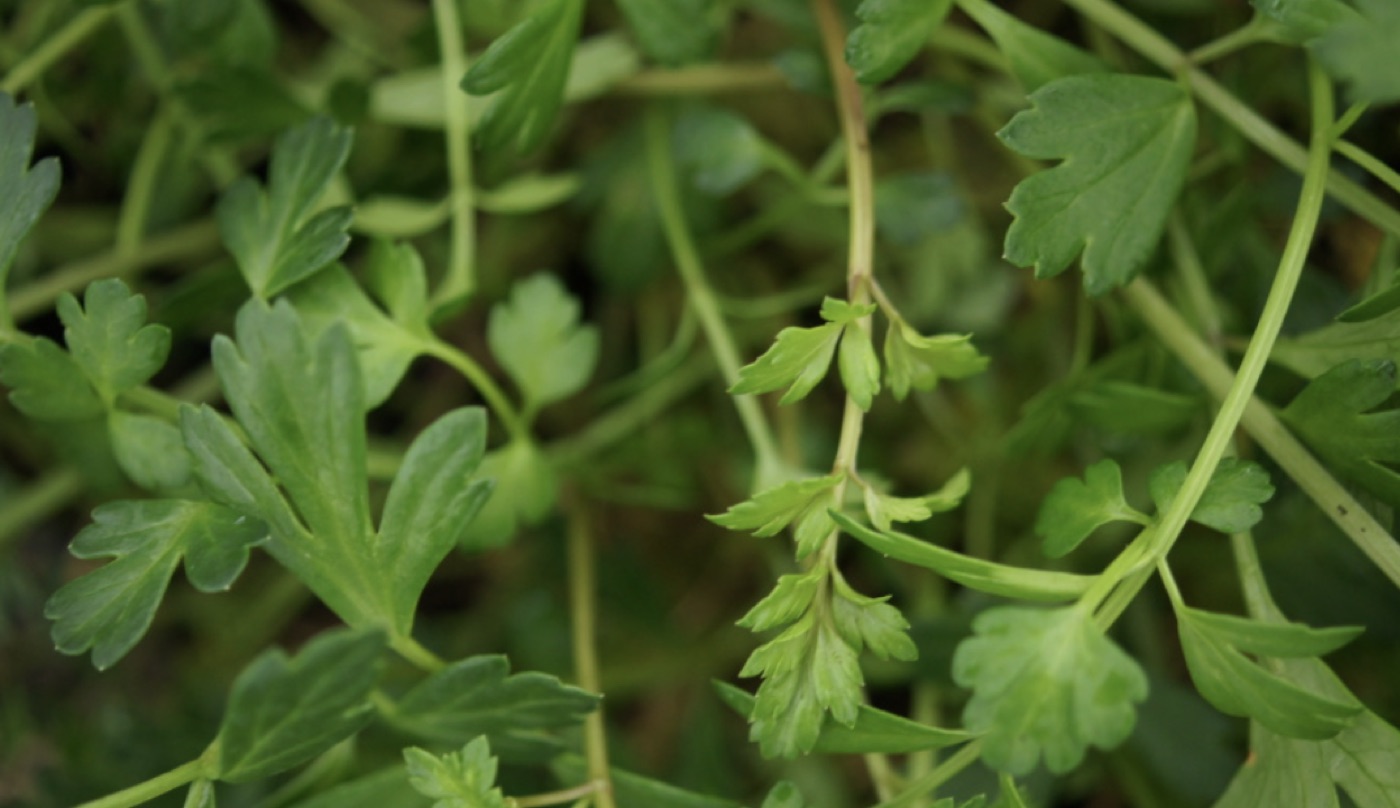
Sea Celery
Apium prostratum
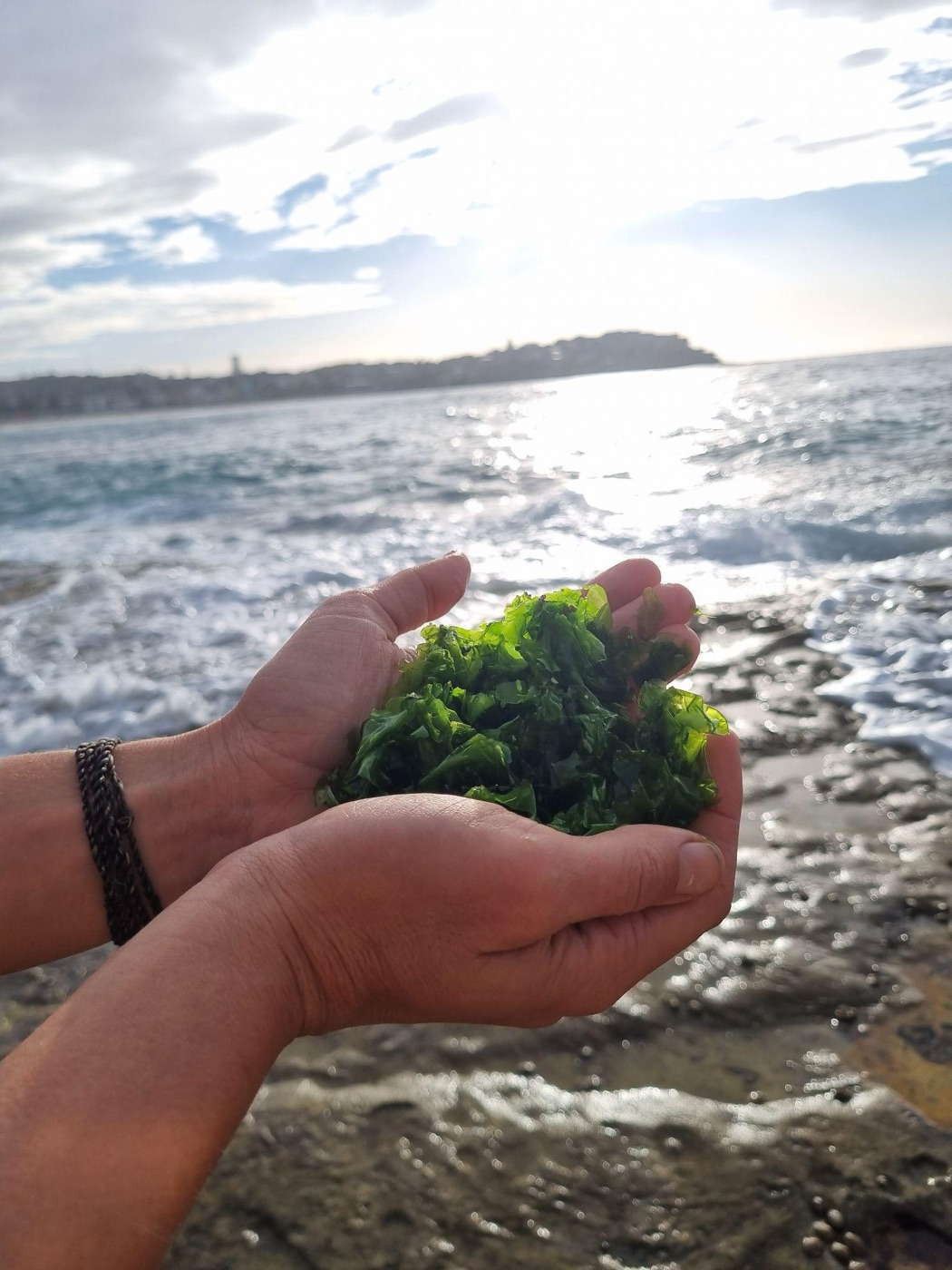
Sea Lettuce
Ulva lactuca
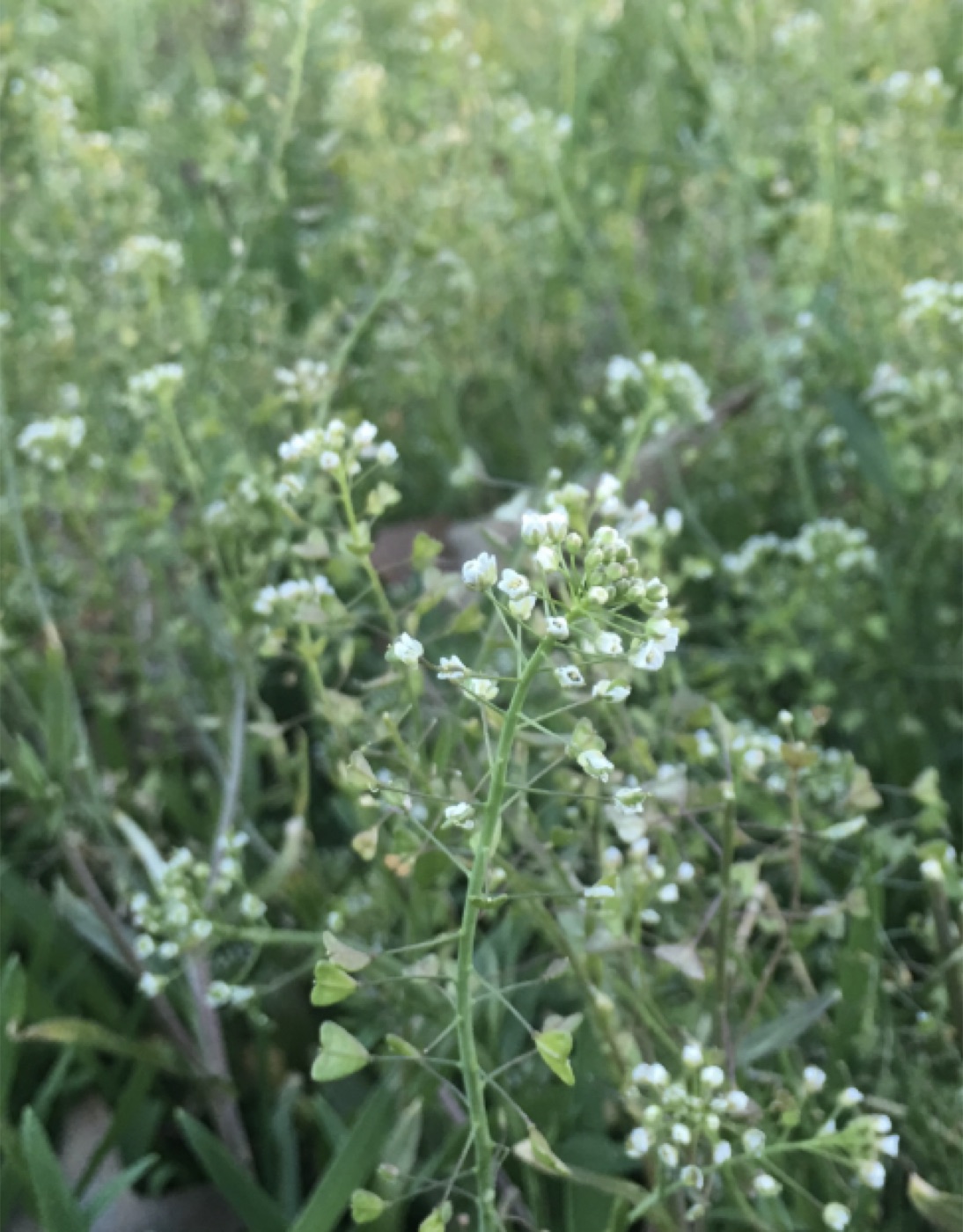
Shepherd's Purse
Capsella bursa-pastoris
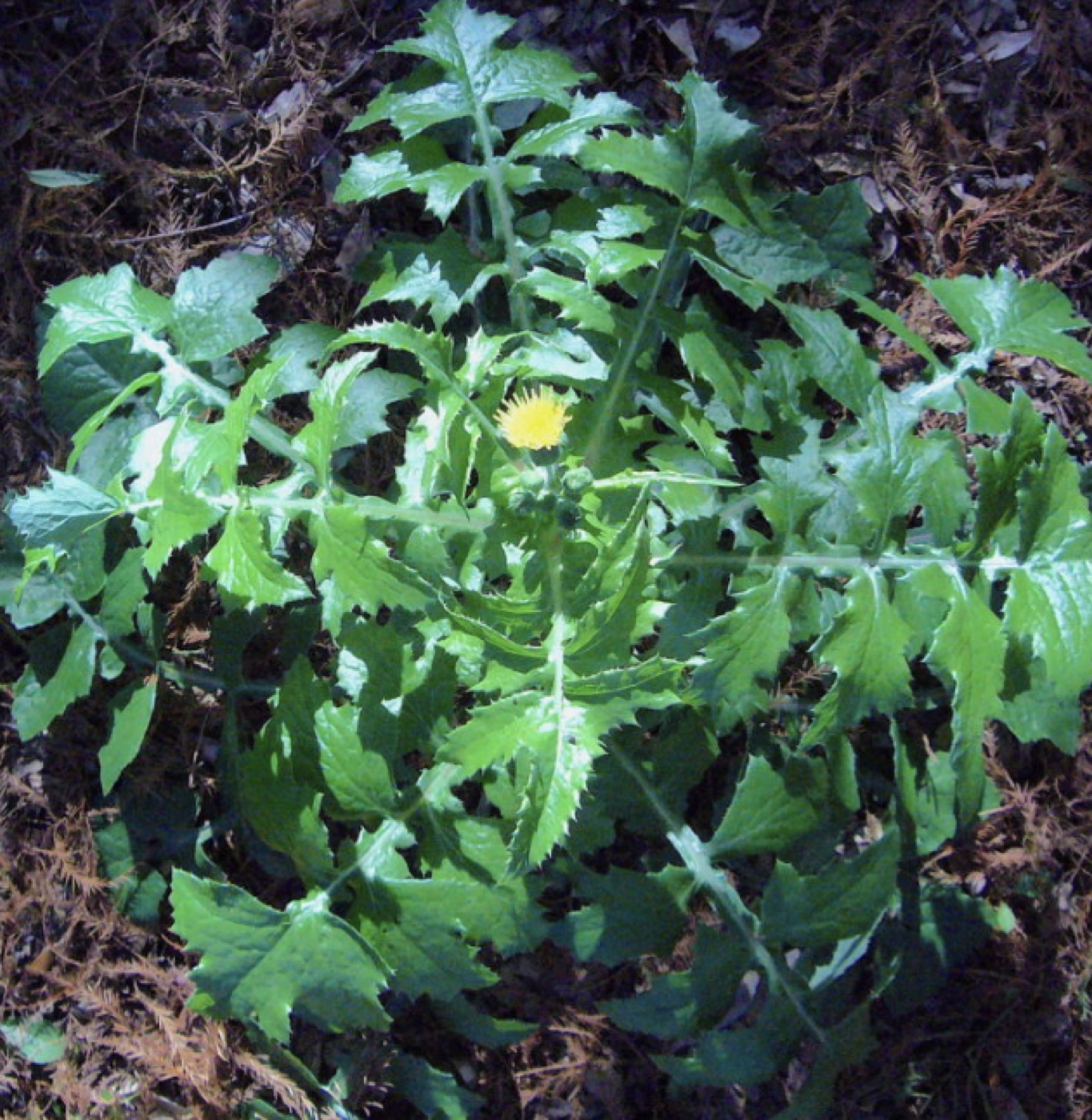
Sow Thistle
Sonchus oleraceus
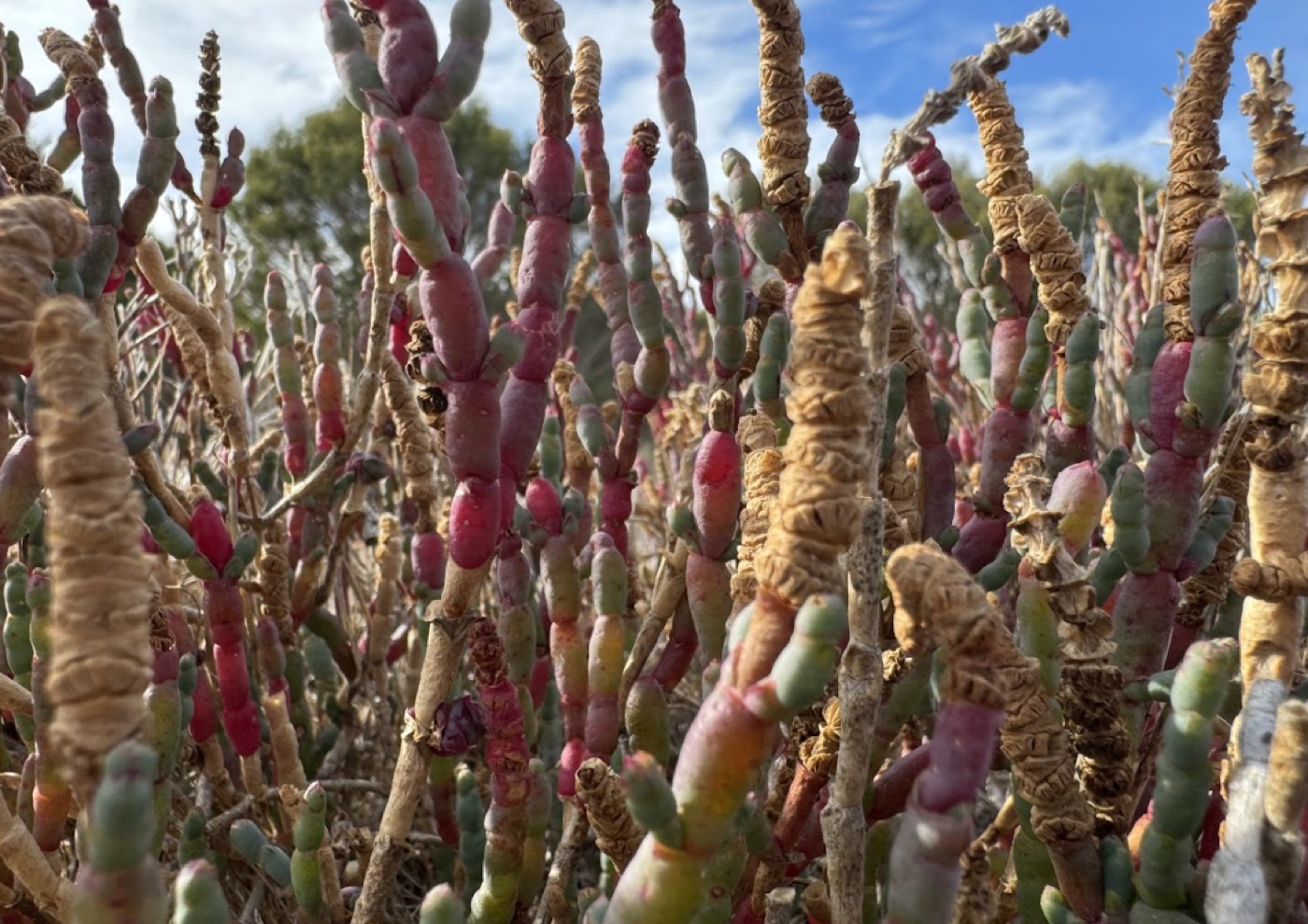
Swamp Samphire
Sarcocornia quinqueflora, S. blackiana; also Tecticornia spp.
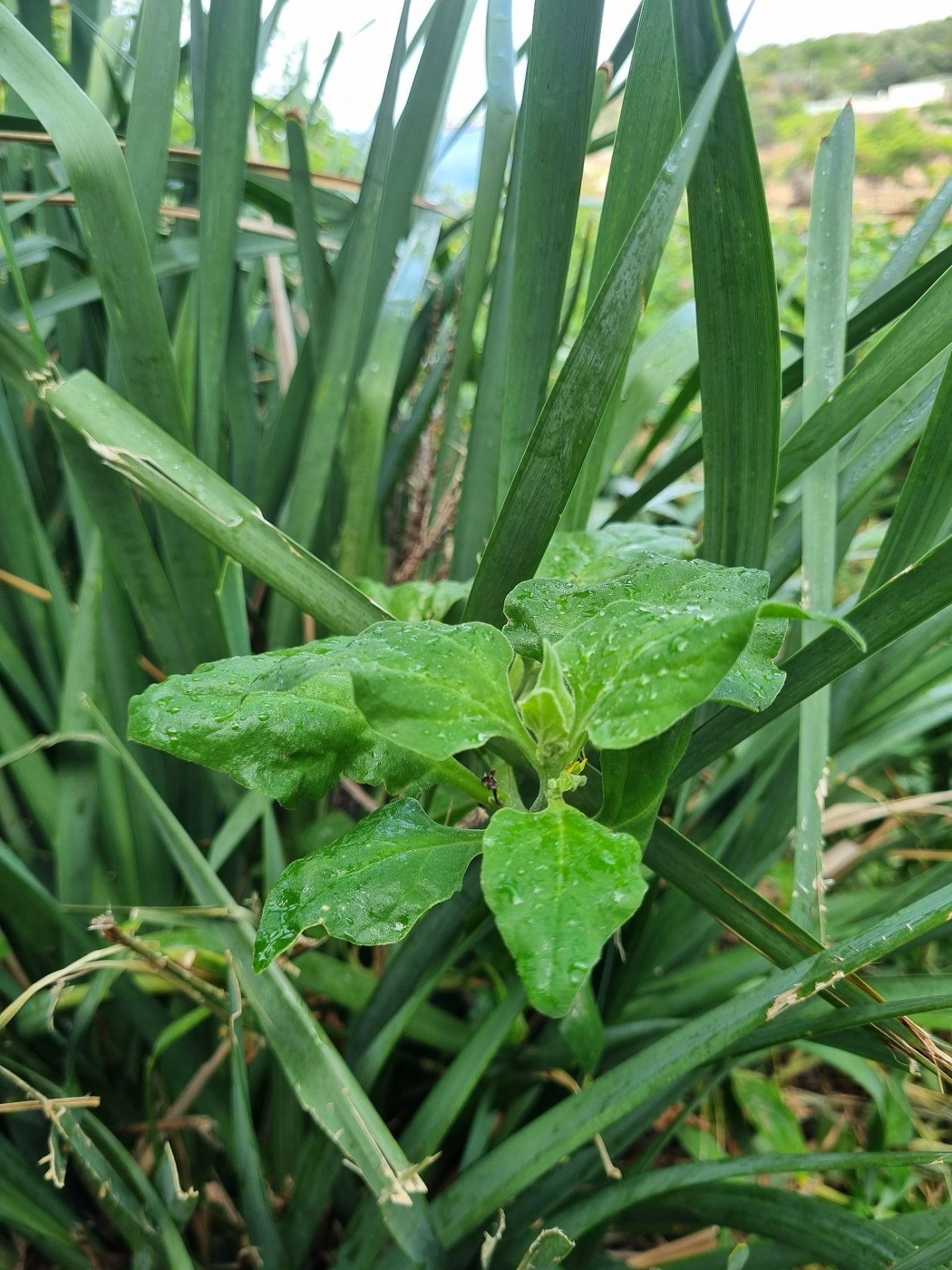
Warrigal Greens
Tetragonia tetragonoides
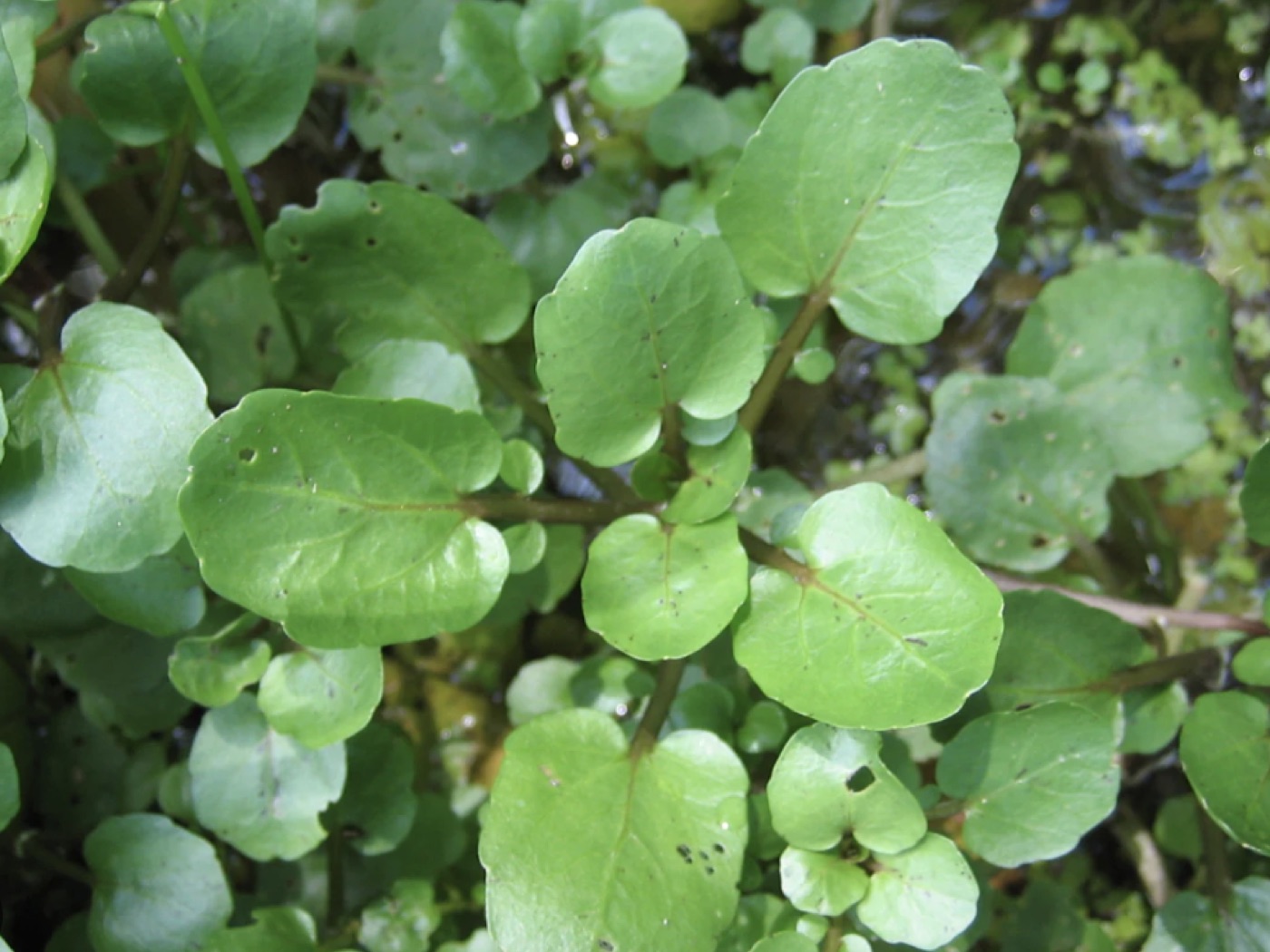
Watercress
Nasturtium officinale
Safety First
Misidentification is the single greatest risk in foraging. Every species in this guide includes a Lookalikes section describing similar plants and their relative risks – read these carefully before harvesting. When uncertain, photograph the plant, note its surroundings, and consult a second source or an experienced forager before consuming anything. This guide is educational, not a substitute for hands-on instruction.
Toxin Absorption in Wild Greens
Some wild greens grow in or near contaminated soil, accumulate naturally occurring plant toxins, or concentrate heavy metals from their environment. Understanding which plants carry these risks and how to reduce them is as important as identification. The notes below apply to specific plants covered in this guide.
Contains pyrrolizidine alkaloids (PAs), a systemic liver toxin. Do not eat raw or in large quantities – young leaves only, cooked. Avoid entirely if pregnant or if you have liver conditions. Not for daily use.
High oxalic acid. Blanch and discard the cooking water before eating. Those with kidney stones, gout, or rheumatoid arthritis should limit intake.
High oxalic acid – one of the highest of any leafy green. Always blanch at least 2–3 minutes and discard the water. Never eat raw in quantity.
Moderate oxalic acid; also a heavy metal accumulator in contaminated soils. Blanch and discard the water. Avoid harvesting near roads, industrial sites, or former market gardens with unknown pesticide history.
Low concern from the plant itself, but it's a significant heavy metal accumulator. Avoid harvesting from roadsides or industrial/agricultural runoff zones.
Some populations contain pyrrolizidine-adjacent compounds. Young leaves only. Avoid harvesting from heavily sprayed areas. Not for frequent consumption.
High in glucosinolates (goitrogenic in excess). Fine in normal culinary quantities – avoid large raw quantities if you have thyroid conditions.
Contains low levels of pyrrolizidine alkaloids, primarily in older leaves and roots. Use young leaves and flowers only – do not eat the roots or old foliage. Not for daily use.
Traditional uterine stimulant. Culinary quantities are safe; avoid if pregnant.
- Rotate your greens. Eating the same wild plant daily accumulates any compounds it contains – variety is both safer and more nutritious.
- Site matters as much as species. Heavy metals and pesticide residues are absorbed through roots and cannot be washed or cooked out.
Pregnant people should avoid comfrey, borage, and shepherd's purse entirely, and should limit high-oxalate greens. People with kidney stones, gout, or impaired kidney function should avoid high-oxalate plants (docks, warrigal greens, purslane) or limit intake to small, blanched quantities. Anyone on blood-thinning medication should note that many of these greens are high in vitamin K. When in doubt, eat less and choose more variety.
A Note on Iodine in Seaweeds
Seaweeds are among the richest natural sources of dietary iodine, a mineral essential for healthy thyroid function and metabolic regulation. However, excessive iodine intake carries its own risks, and several seaweeds covered in this guide contain concentrations that can easily exceed safe thresholds if eaten in large or frequent quantities. While estimates of iodine content are given below, iodine content varies in seaweeds depending on the iodine content of the water it grows in. For this reason, estimates are only general guides.
The recommended daily intake (RDI) of iodine for healthy adults is 150 µg/day. The tolerable upper intake level (UL) set by Australian and New Zealand health authorities is 1,100 µg/day. Pregnant women should aim for 220 µg/day; breastfeeding women, 270 µg/day. Children require less – consult a healthcare provider for paediatric thresholds.
Blanching – submerging seaweed in boiling water for 30–60 seconds, then draining – leaches a significant proportion of water-soluble iodine out of the tissue. Studies suggest blanching can reduce iodine content by up to 90%, bringing it to safer levels for regular consumption.
Those with pre-existing thyroid conditions, or who take thyroid medications, should consult their doctor before consuming seaweed regularly.
This guide is a starting point, not a final word. Take time to sit with each plant, observe it across seasons, and build a relationship with the landscape you're foraging from. When in doubt: don't forage – there will always be another opportunity. Carry this guide with curiosity and care.