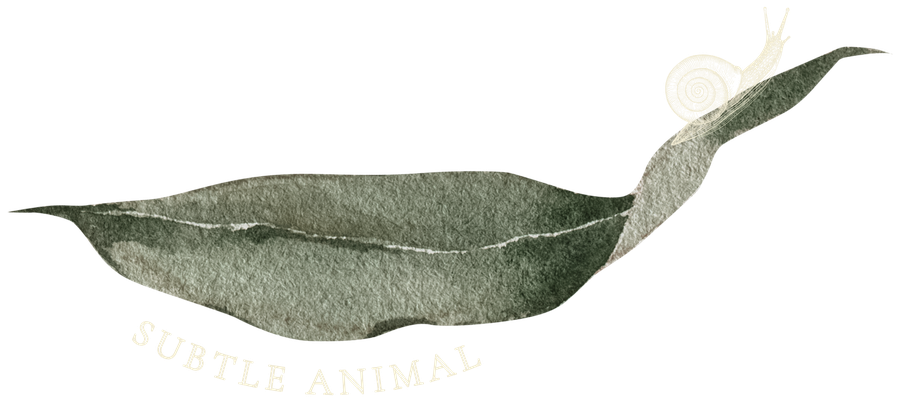
False Kelp
Petalonia fascia
Also known as: False Kelp, Sea Petals, Broad Petalonia, Strap Weed
'Petalonia' derives from the Greek 'petalon' (leaf or petal) – a reference to the broad, flat, leaf-like blades that characterise the genus. 'Fascia' is Latin for 'band' or 'stripe', describing the elongated, strap-shaped thallus. The common name 'false kelp' reflects its superficial resemblance to true kelp species, despite being an entirely different and unrelated brown alga. Petalonia fascia is a small to medium, olive-brown to dark brown seaweed with a cosmopolitan distribution, found in cool to temperate intertidal zones across Australia, New Zealand, the British Isles, the Mediterranean, and both coasts of North America. It colonises wave-sheltered to moderately exposed rock surfaces in the mid to low intertidal, often appearing in dense, bright-green or golden-olive mats during winter and spring. It is an annual to short-lived perennial that vanishes in summer heat, making it a distinctively seasonal presence on the shore.
When to Forage
Mainly winter to spring (June–October in southern Australia); largely absent in summer.
Cautions
Moderate to high iodine content – observe standard iodine precautions (see the Iodine Note above). Blanch before eating to reduce bitterness. Not recommended in large quantities during pregnancy. Avoid specimens from polluted shores or near stormwater outfalls.
Nutrition
Contains fucoxanthin (anti-inflammatory xanthophyll carotenoid), fucoidan (bioactive sulphated polysaccharide), mannitol (natural sugar alcohol with mild prebiotic properties), alginates (dietary fibre and gut-health support), and minerals including iodine, magnesium, potassium, and iron. Mild, pleasant flavour – less intense than larger kelps. Very low calorie with meaningful micronutrient density.
How to Identify
- Strap-like, ribbon-shaped thallus – flat, smooth, and unbranched, typically 5–40 cm long and 0.5–3 cm wide, tapering gradually to a small disc holdfast. Olive-green when fresh, darkening to brown with age or drying.
- No gas vesicles, midrib, or lateral branches – the blade is entirely plain and smooth, a key distinction from superficially similar species.
- Texture thin and somewhat membranous when fresh; becomes wrinkled, papery, and darker when emersed or drying.
- Often found in dense, overlapping patches on sheltered mid-intertidal rock, frequently associated with encrusting corallines, limpets, and mussels.
- Holdfast is a small, inconspicuous disc – much smaller relative to blade size than in true kelps.
Lookalikes
Golden kelp grows much larger, has a prominent midrib, pinnate lateral blades, and a robust stipe. Found subtidally or in the lowest intertidal – much deeper and more structurally complex than Petalonia.
Bright green (not olive-brown), distinctly sheet-like and two cells thick. A common co-inhabitant of the same intertidal zone but readily distinguished by its vivid green colour and more ruffled, irregular margin.
Hollow, globose to irregularly lobed brown alga found in similar habitats. Easily distinguished by its bubble-like, inflated form – no strap-like shape.
How to Forage
Collect living specimens directly from rock surfaces during the winter–spring growing season. Choose plants that are bright olive-green to golden-brown, firm, and fresh-smelling. Avoid older, darkened, or slimy fronds. Cut or gently detach from the holdfast with fingers – do not uproot. Blanch briefly before eating to improve flavour and texture and reduce iodine content. Can be dried flat and stored for later use.
Recipe — False Kelp Salad with Ponzu, Sesame and Cucumber
Ingredients: 2 large handfuls fresh false kelp (blanched, sliced into 5 cm strips); 1 Lebanese cucumber, thinly sliced into rounds; 2 tbsp ponzu sauce; 1 tbsp rice wine vinegar; 1 tsp sesame oil; 1 tsp toasted sesame seeds; 1 small red chilli, finely sliced (optional); 2 spring onions, finely sliced on the diagonal. Method: Blanch the false kelp strips in boiling water for 30 seconds, refresh immediately in cold water, drain well, and pat dry. Combine the ponzu, rice wine vinegar, and sesame oil in a small bowl and whisk to combine. Toss the false kelp strips and cucumber with the dressing and let sit 5 minutes to absorb the flavours. Arrange on a plate, scatter sesame seeds, chilli, and spring onion over the top, and serve immediately as a light side or starter. Pairs beautifully with grilled tofu.
Want more?
Join our newsletter for more recipes, foraging guides and upcoming events.